

4 Authentic reason why are dogs noses wet , what being dry or discharged may indicate and the most suitable tricks to keep the nose of your dog hydrated.
|
-Key to know-
|
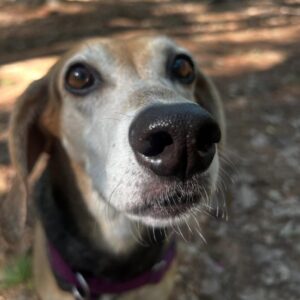

There are several biological factors behind the reason why dogs have their noses usually wet:
- Enhanced Smelling Ability
The moisture on the nose in thin coat is used to dissolve the scent particles in the air, and this way the strong olfactory sense of a dog can scent and analyze the smells.
- The mucus captures the odor of chemicals.
- When a dog licks its nose it transports those chemicals to the Jacobson organ (in the roof of the mouth) to get an even stronger smell.
- Cooling the Body
Dogs don’t sweat like humans. Their temperature is mostly controlled by means of panting and moisture of the nose.
- The evaporative cooling of the wet nose surface eliminates body heat.
- Natural Secretions & Licking
The wetness comes from:
- Glands within the nose that produce a thin liquid.
- The dog keeps the nose wet by licking it constantly.
- Health Indicator
- The nose of a healthy dog is cool and rather damp.
- But even a dry nose does not necessarily indicate a sickness-it may just be due to sleepiness, hot air or thirst.
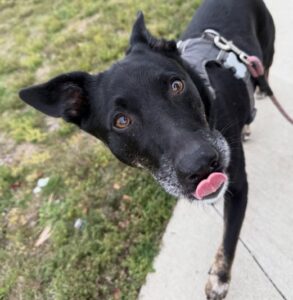

When a Nose Is Too Dry
The nose of a dog may dry naturally after:
- Sleeping: Dogs do not lick the tip of their noses when they are sleeping.
- Warm or dry air: Heaters, sunbathing or wind can dry out the moisture.
These are usually harmless.
Yet incessant dryness could show:
- Dehydration: This is particularly in combination with tiredness or sticky gums.
- Fever/Illness: It has a hot dry nose and other symptoms (loss of appetite, vomiting).
- Sunburn or Cracking: This is typical in light-coloured dogs that have pink noses.
When a Nose Is Too Runny
It is not unusual to have a slight discharge- the nose of the dog secretes mucus to scent-trap.
But watch for:
- Thick yellow/green sputum: It may indicate infection (bacterial, fungal).
- Bloody discharge: Could be laceration, foreign object, or tumor of the nose.
- Constant watery run-off + sneezing: Allergies, colds, respiratory infections.

When to See a Vet
Seek veterinary care if:
- Symptoms Nose remains very dry over a day or two and dog displays symptoms (fever, lethargy, loss of appetite).
- Discharge is greenish, opaque or bloody.
- Your dog is finding it difficult to breathe or sneezing too much.
Some tips that can be used to ensure that your dogs nose is healthy and hydrated include:
- Keep Your Dog Well-Hydrated
- Ensure that fresh water is at all times.
- To promote drinking, add a small amount of low sodium broth to water in case your dog is a fussy drinker.
- Moist food (such as wet dog food or a splash of water over kibble) is also a good way to keep the body hydrated.
- Use a Humidifier
- Nose dryness can be caused by dry indoor air (in winter with the heaters or in summer with the ACs) and the air conditioning.
- The air in the room that your dog sleeps in is moistened by a humidifier.
- Protect From Sun & Heat
- Light colored dogs or dogs with pink noses may become sunburned.
- Use a pet unscented sunscreen that is dog safe in case your dog is out in the yard.
- Create shades and do not be overexposed to the sun.
- Moisturize if Needed
- In case the nose is broken or scaly, apply nose balm, recommended by the vet (such as shea butter or coconut oil designed to be used on a dog).
- Keep off human lotions or petroleum jelly unless a vet says it is safe–they are toxic when chewed.
- Watch the Environment
- Chemical cleaners, heavy perfumes or cigarette poisons should be avoided as they may irritate the nasal passages.
- Preferably keep your dog out of dusty or smoky places.
- Regular Checkups
- When you do your visits to the vet, request a nose check, particularly when your pet has a lot of discharge, sneezes, or change in breathing.

Vet-Approved Nose Balms
These are designed specifically to be used on dogs (non-toxic when licked):
- Snout Soother (Natural Dog Company) –Popular, organic balm containing shea butter, hempseed oil and vitamin E.
- Musers Secret – This is a secret that originates as a paw pad; however, it is also safe to use on the nose; it is made of natural waxes and oils.
- Burt Bees Dog Paw and Nose Lotion- Gentle Honey and olive oil.
- Petroleum-Free VetRx Nose Balm Lanolin-rich, and calming to sore noses.
Vet-Safe is a brand of Natural Home Remedies.
In case you want simple ingredients, the following will do as long as it is used in moderation:
- Coconut Oil (unrefined) –Antibacterial and moisturizing. Apply a thin layer 1–2 times a day.
- Shea Butter (pure) –Highly moisturizing, should not be ingested in large quantities, safe when ingested in small quantities.
- Olive Oil or Almond Oil- Light moisturizer; apply the smallest drop on the nose.
Hint: Use a very thin coat because you do not want your dog to lick off a lot at the same time.
Avoid
- Human lotions or creams that contain perfumes, zinc or salicylic acid–they are toxic.
- Vaseline (petroleum jelly)- safe in small doses, but may make the stomach upset when licked.
Extra Care
- Wipe off a warm and damp cloth on the nose first before applying the balm.
- Re-apply every 2-3 times daily in the case of deep cracks, but make a call to a vet in case of bleeding, pus or crusting.
There are a few things to keep in mind during a visit to local stores:
- Call first to find out whether they have nose balms or paw/nose balms.
- Request lip safe and fragrance-free and pet safe formulas.
- At other times, you might be able to order a product to be picked up at a smaller/local pet shop, as they may be out of stock.
- Come with a picture of a product or label that you like–this helps personnel to find a similar one.
Conclusion
The dog nose is a very important tool in the process of smelling and regulating body temperature, and thus its state provides valuable information regarding the overall health. Although a slightly cool, moist nose is the most preferable, sometimes dryness is not harmful and it could be just a consequence of sleep or change of environment.
Continuous dryness, cracking, or abnormal discharge, though, may be an indicator of dehydration, allergies, infection, or other health problems. The most appropriate care involves regular hydration, balanced surrounding, protection against the sun, and nose balms that are approved by the veterinarian to keep the nose soft and healthy. Consistent check-ups will make sure you will be able to identify the first signs of a disease and will keep your dog in comfort.
Also read- 6 Simple steps to clean dogs ears