
3 simple trusted steps to Introduce dogs , Bringing dogs to babies, cats or other animals/people should be planned, patient and positively reinforced in order to make sure everyone is safe and comfortable.
-Key to know-
|

The following is a step-by-step guide to every scenario:-
Introducing Dogs to Babies
- Preparation Before Birth
a) Get desensitized to child noises/smells: Play baby cries, have baby lotions or baby powder so the dog gets used to it.
b) Make them obey: Use simple commands such as sit, stay, leave it to ensure they obey.
c) Modify routines: Gradually alter feeding/walking schedules such that the dog does not get shocked by new schedules.
- First Introduction
a) Calm atmosphere: Dog must be exercised and relaxed when it is first introduced to the baby.
b) Scent first: Have the baby meet the dog by first letting it smell the blanket or clothes of a baby.
c) Controlled method: Have the baby in your arms and have another adult on a leash and control the dog. Give a sniff at a distance.
- Ongoing Interaction
a) Always keep an eye on- not to leave dog and baby alone.
b) Reward peace of behavior with rewards and praise.
c) Train the child (when the child is growing up) to learn to respect the dog space.
Dogs and Babies
Begin planning before the birth of the baby. You should train your dog some simple tricks like sit, stay and leave it and practice it every day so you can count on them in the future. You can introduce your dog to the noise of baby crying or squeaky toys by playing some recordings so they can be exposed and rub some baby lotion over your hands so the smell is also familiar.
Introduce smell before sight when the baby comes home. Allow your dog to sniff a blanket or hat that has the smell of the baby as you are calmly complimenting the good behavior. During the initial encounter, there should be an adult with the baby safely in his arms, and another adult who puts the dog on a leash. Encourage a slow and gentle movement and rewarded relaxed sniffing.
Maintain as much routine as stress allows e.g. feeding, walks. Do not ever leave a baby and a dog alone, at all. Gradually, compliment all peaceful contacts so that the dog would come to know that it is good and safe to be near the baby.

Introducing Dogs to Cats
- Initial Setup
o Safe places: Provide the cat with some escape routes (high perches, separate room).
o Barrier method: Have a closed door or baby gate at first so that they can smell one another without coming into contact.
- Scent Exchange
o Change bedding of them or change toys to get familiar with the smell of each other.
- Controlled Meetings
a) Have the dog on a leash; play the cat free.
b) Reward non-chasing behavior.
c) Only in time can off-leash be allowed as both of them are relaxed.
Dogs and Cats
Safe zones can be considered as a start of a successful introduction of a dog and a cat. Provide the cat with a high perch or a room that is gated and it can retire there and feel safe. Prior to their meeting, they exchange scents by changing their bedding or toys so that they get used to the smell of the other animal.
Begin their visual initiation with a barrier, a baby gate or an open door that is slightly open so that they can see one another without being in contact. Keep your dog calm and reward him. Where they appear interested, but serene, proceed to an obeying face-to-face meeting with the dog on a leash as the cat frees itself. Reward the dog when he or she ignores or calmly watches the cat. You should only allow off-leash contact after a number of calm sessions. This gradual method does not allow chasing or creates trust.
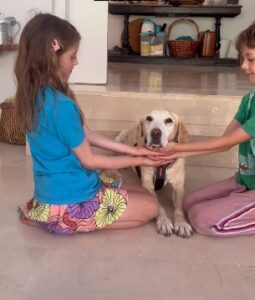
Introducing Dogs to New People (Visitors, Kids, Elderly).
- Ask the visitors not to pay attention to the dog, not to look at it or extend out their hand at first.
- Reward the dog when it comes in a relaxed manner.
- On children: learn: let the dog first smell, and not a pat.
When introduced to new people (particularly children or elderly visitors) request that guests overlook the dog initially- no eye contact, no talking, no reaching out. Allow the dog to come of its own and reward it to keep still. Teach children to remain still, to wait till the dog sniffs first and then to pat him with gentle strokes only.
Introduction of Dogs to other dogs.
When introducing two dogs, you should select a neutral place, such as a quiet street or a park instead of the home of one dog in order to avoid the possibility of territorial aggression. Start with a parallel walk and remember to maintain a comfortable distance between you as they can look and smell each other and you reward with composed looks. Wait till they fall to rest, and then take a sniff, a few seconds only, and then call them to attention. Brevity, repetitiveness of the sniffing, prevents tension.
Providing things go well, take them into the home together, but take away toys, food bowls, anything which either dog may protect.
Some General Advice to Other Animals/People.
- an outdoor area is best (e.g. out on the road) when meeting new dogs.
- Be positive when reinforcing calm curiosity (treats, praise).
- Make them brief and enjoyable and before anyone could get nervous.
Key Takeaways
- Slowness & progressive exposure is essential.
- Early interactions are always to be monitored.
- Praise easy-going animal manners to ensure that the dog identifies new interactions with pleasant moments.
Universal Success Tips
- Work first: When a dog is tired, he is less hectic.
- Positive reinforcement: Each time the dog remains calm, treats, praise or toys.
- Brief, frequent meetings: Leave when the stress develops.
- Watch body language: Yawning, licking lips or rigid posture are a sign of too much, too fast.

A good walk or a playup will make a dog far calmer in any introduction, so do it first. It should always be positive reinforcement: whenever the dog remains calm, treats, praise or a favorite toy can be used. Make the sessions brief and frequent as opposed to lengthy and overwhelming. Look at the little indications of discomfort (yawning, licking lips, hard body posture, and more) and realize it is time to break the silence and provide everyone with a rest.
Conclusion
Babies, cats, and other animals as well as new people should be introduced to a dog, carefully, accompanied by patience, consistency, and positive reinforcement. With advance preparation, you can regulate the first meetings, reward of calm behavior and with calm behavior you help your dog develop safe and happy associations with each new family member or friend. The secrets of long-term harmony are supervision, gradual progress and effective communication, so that everyone, human and animal should be able to coexist with trust and confidence.
Also read- 6 Simple steps to stop dogs from digging


1 thought on “3 simple trusted steps to Introduce dogs”