
Learn about the Doge Software Licenses Audit HUD that assists in identifying licentiousness, enhance compliance, minimize IT waste.
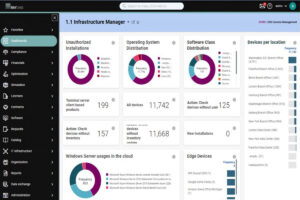
Doge Software Licenses Audit HUD: The Changing Compliance with Real Time License Audits.
The idea of Doge Software Licenses Audit HUD has changed everything in an era where software use and abuse may cost organizations millions of dollars. This method, which uses a heads up display (HUD) dashboard plus automated license auditing, will provide real-time software license use, compliance and waste information. It can be a small business or a big government agency, but the implementation of such a system can provide significant financial, legal, and operational advantages.
What is Doge Software Licenses Audit HUD?
Doge Software Licenses Audit HUD is a combination of three concepts:
- Doge software / DOGE- A derogatory lauded surrounding sometimes applied to de-centralized / lightweight / meme culture motivated software, or supervision programs. DOGE is abbreviated as the Department of Government Efficiency in some of its interpretations, which is a mythical or hypothetical institution advocating openness and the prudent management of state resources.
- Software licenses audit – A methodical search of software resources to ensure that an organization is operating within its licensed software which are within the terms of the license.
- HUD (Heads Up Display) – a dashboard like interface which gives real time, at a glance, visibility of the license status, violations, unused licenses, future renewal, etc.
Collectively, Doge Software Licenses Audit HUD is the use of a licensing audit and compliance system that is a dashboard-driven system, automated and real time. It is not only about auditing at any one point but about continuously tracking the usage of licenses, compliance position and possible waste of an entire software portfolio of an organization.
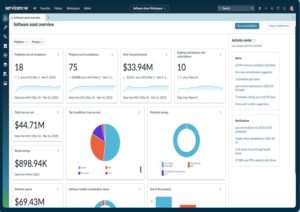
Importance: Why Bad License Management Is a Risk.
Good IT governance has always involved software license audit, which could be either a static audit or periodical audit. However, without the right tools, the management of the licenses may turn into a mess. By the established definitions, software licensing audits assist in avoiding:
- Using the software that is bought illegally or excessively.
- Use of pirated, unlicensed or other illegally acquired software.
- Use of open source or third party libraries without being conscious of their terms of license – something which can result in legal liability or compliance.
When these are big organizations, more so government funded organizations, the effects are even worse:
- Waste of money: the licences that are not utilized.
- Legal & compliance risk: Breaching the terms of the license can result in contract breach, fines, or being disqualified on future contracts, particularly in the case of open-source or proprietary software.
- Security vulnerability: uncontrolled or unmanaged software (of particular legacy software or infrequently used software) may not be updated or patched as it becomes more susceptible to security risks.
- Inadequate transparency and accountability: in cases where procurement and usage is decentralized (i.e. between two or more departments or contractors) it will be nearly impossible to monitor software usage, and this may result in unnecessary purchases, abandoned licenses or even wasteful expenditure.
How Doge Audit HUD functions: Major features and functionality.
The following is what a properly implemented Doge Software Licenses Audit HUD would normally provide:
- Inventory & Discovery of licenses.
It will automatically scan all the software components including proprietary applications, open source dependencies, internal modules, across the repositories, servers, deployments, and cloud environments. Metadata (type of licenses, version, scope of deployment) is recorded in order to form a complete license inventory.
- Identification and Classification of a License.
The software components are compared with license metadata (e.g. MIT, GPL, Apache, proprietary, custom). Implemented licenses are identified with payment to identifying a license even within nested dependencies.
- Real Time HUD Dashboard-Geo-alerts.
The HUD shows license status in a visual format that is easy to understand as; valid, expiring, expired, unused, or non-compliant. The alert is issued in case of anomalies: the expired license, the overuse of the license, or the software that is not licensed is found.
- Usage Tracking & Analytics
It follows the real utilization (users, machines, deployments) and the licenses that are purchased. It is easy to identify ghost licenses, that is, licenses that have been paid but never utilized.
- Risk Enforcement and Compliance.
The system may impose organizational or regulatory policies -e.g. block prohibited types of licenses, mark a license that cannot be used in a specific environment or create reports to legal/ compliance teams.
- Reporting, Audit Trails & Optimization.
IT leadership makes informed procurement decisions using automated reports, historical logs, trend analysis and forecasting the use of the licenses. In the long-run, this will help to save a lot of cost, waste and lessen legal and security risk.
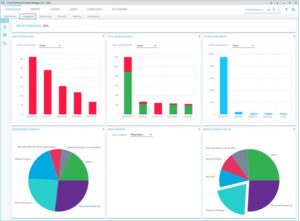
Real world Impact: The Case that spurred interest.
Part of the most-famous (but controversial) results are based on what is termed as an audit of the U.S department of Housing and Urban Development (HUD), allegedly conducted by Department of Government Efficiency (DOGE). According to reports:
- There were zero recorded users of more than 11,020 paid licenses of Adobe Acrobat.
- This is because almost 35,855 ServiceNow licenses were active with a number of users of only 84.
- Other instances encompass the license of old tools like IBM Cognos, Westlaw classic and mass proportions of proprietary Java licenses, most of them said to be unused or under utilised.
These figures, should they be true, mean a colossal squandering of the state funds. Better still, they emphasize the importance of constant auditing of the license and visibility of the license assets, particularly in large institutions with decentralized procurement and more than one contractor.
The answer to the question of whether all their assertions in those reports can be substantiated with due diligence is irrelevant, but the bottomline is that unless licenses are properly managed and audits are done on the fly, there are millions of dollars that are being wasted due to idle and needless software licenses.
The reason why more organizations should have a Doge style audit HUD is not just to HUD agencies.
Although the story about the HUDDOGE was in the headlines, the principles of Doge Software Licenses Audit HUD are applicable to a wide audience:
- Private Companies having dozens or hundreds of software subscriptions SaaS tools, enterprise applications, design suites, development platforms all too frequently waste money on licenses that are unused or underutilized.
- Tech Startups with a high number of open-source or third party dependencies can lose compliance requirements easily, in particular, when the rapid prototyping and the frequent deployments are considered.
- Agencies and Nonprofits need to be transparent and accountable — license abuse can undermine funding, compliance audit, or even trust.
- Wildly, DevOps, and Security Teams should control risk right: old and un-patched software, unclear license terms and mixing open-source and proprietary code may result in legal liability and breaches.
A Doge style audit HUD is a continuous single source of truth of license management. It transforms the license compliance more into a proactive, on-going process rather than a reactive, intermittent process- assisting organizations to remain compliant, efficient and cost conscious.
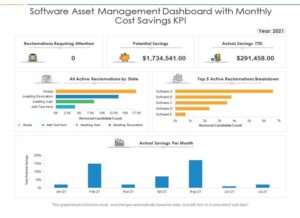
Best Practices in the adoption of software license audit HUD.
The following are some of the recommended practices in case you intend to adopt a license-audit HUD (Doge-style or otherwise):
- Begin with a Baseline Inventory – prior to the implementation of the HUD, take an inventory of all software resources (proprietary, open source and internal) that you currently possessed.
- Provide SBOMs (Software Bill of Materials) – provide each project with an SBOM that contains all dependencies and licenses, as this data can be used through audit tools to map and tag license types identified with a high level of accuracy.
- Establish Explicit License Policies — what licenses are permitted, what are limited (e.g. some copyleft/open-source licenses will not be compatible with proprietary or even confidential deployments).
- Embark on Procurement and DevOps Integration – ensure that licence audits are included in the onboarding process, the CI/CD pipeline, and procurement authorities.
- Track Usage Measures and re-utilise Unused licences — every now and then reclaim or re-use underused licenses rather than renewing automatically.
- Keep Audit Trails & Compliance Reports — make sure that all license deployments, renewals and cancellations are registered with user, date and purpose.
- Training Teams- legal, procurement, development, and security teams need to be educated about the significance of license compliance; licensing needs to be managed as first class asset.
FAQ – Frequently Asked Questions.
Q1: What is the meaning of Doge in Doge Software licensing audit hud?
Hypothetically, here Doge can symbolically mean an efficiency drive in government (in other versions, Department of Government Efficiency). It does not mention cryptocurrency, but, instead, a program or a branding of license audit and efficiency enlistment.
Q2: What is HUD- it is the display on the head of the car, the government agency?
In the majority of descriptions of Doge Software Licenses Audit HUD, HUD is a Heads-Up Display – i.e. a dashboard display of real-time license compliance information. Not all of them are speaking about the U.S. Department of Housing and Urban Development, but some high profile audits are allegedly on the agency.
Q3: What type(s) of software/licenses are covered by the audit?
All types of software are included in the audit, including proprietary enterprise software such as Adobe Acrobat, open-source libraries and dependencies, internal modules, hybrid tools, and any third party software embedded within an organization – including dependencies located deep within projects.
Q4: What are the key advantages of a license audit HUD to be used on a continuous basis?
Main benefits:
- Saving of costs through reclaiming and finding unused or underutilized licenses.
- Legal and compliance safety – making sure all software parts are compliant with license.
- Security and risk mitigation – through the monitoring of software versions, software use as well as making sure that old or potentially vulnerable licenses are not sitting around without detection.
- More efficient procurement choices – data-based license acquisitions, forecasts and preventative sovereign bulk purchases.
- Transparency and accountability – in particular, in a publicly-funded or federally-funded organization where a lack of transparency might result in legal or reputational harm.
Q5: Are automated tools able to complete the manual license audits?
Automated audit HUDs save a lot of manual load particularly in the inventory, license detection, usage tracking, and reporting. Nonetheless, human supervision is important – particularly in interpreting the complicated license terms, handling the exceptions, and reconciliation of license terms with the organizational policies.
Conclusion.
With organizations, both private and public, becoming increasingly dependent on more complex software stacks, compliance with license and efficiency have never been more difficult to achieve than in the past. Doge Software licences Audit HUD: Advanced, forward looking solution: a dashboard-driven approach to license auditing, in real-time and automated.
This aids organizations to mitigate against legal liability, eliminate waste, and achieve informed procurement choices on licensing by linking continuous monitoring, license asset visibility, usage analytics and compliance enforcement. Whether you run a startup, a multinational corporation or a government agency, a license audit HUD can transform your license management practice through checklists, to a proactive and strategically managed asset management practice.
Also read- Best 4- US China technology competition, dimon Key points


1 thought on “Best 6- doge software licenses audit HUD feature”