
Learn all that is related to baby otters, their cute manner and ability to survive, where to live, how to take care of, and interesting facts. A complete guide with FAQs.
Introduction
The most charming and interesting animal in the animal kingdom is the baby otter sometimes known as otter pups. Their bushy hair and endearing squeaks coupled with their playful nature have positioned them to be internet sensations and object of worldwide attention. However, there is more than cute in them: a clever aquatic mammal with sophisticated behavior, amazing survival instinct, and strong attachment to the family.
In this comprehensive guide, we look at all the details about the baby otter, their growth, the way they survive in the wild, the mode of communication, and their interaction with the surrounding environment. You can be an animal lover or a wildlife enthusiast or just a curious person but this article has all details you need to know.
What Is a Baby Otter Called?
A baby otter is called a pup.
The number of pups that the otters give birth to varies with the species and can range between one and four. The sea otter pups are born in the water and the river otters give birth on land. Irrespective of the species, otter pups entirely rely on their mothers to survive within the first months of life.
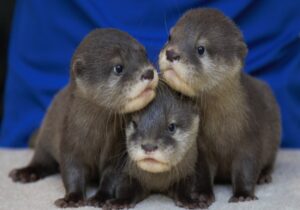
Appearance of a Baby Otter
Baby otters can be described as:
- Fluffy, water-resistant fur
- First 4-5 weeks with closed eyes.
- Lightweight, soft bodies
- Small, rounded ears
- Tiny webbed feet
They are warm and floating because of their fur which is so thick: the thickest of all mammal fur. Actually, the sea otter pups are unable to sink within weeks of being born owing to the air being trapped in their fur.
The survival of Baby Otters in the Wild.
- Dependence on the Mother
A baby otter depends on his mother completely:
- Warmth
- Feeding
- Learning to swim
- Protection from predators
The mother sea otters are quite affectionate–they plump their pups on their breasts, brush them with furry backs each day, and even wrap them up in kelp so that they would not stray.
- Learning to Swim
Infants do not know how to swim.
- River otter mothers usually take their pups to the water to educate them.
- It require sea otters to learn to forage and dive, although they naturally find themselves on the water.
It takes 1-2 months before the pups can swim like the fishes.
- Diet and Feeding
Mostly the infants of the otters feed on:
- Mother’s milk (6–8 weeks)
- Something introduced slowly: fish pieces.
- Small aquatic creatures
Otters, as adults, are great hunters able to take fish, crabs and shellfish.
Habitat of Baby Otters
Babies of varying species of otters like to live in various places:
| Species | Habitat | Environment |
| Sea Otter | Pacific Coast | Kelp forests, cold waters |
| River Otter | Rivers, lakes | Marshes, wetlands |
| Giant Otter | Amazon Basin | Freshwater rivers |
In the case of otter pups, security of the habitat is critical. They usually remain in dens or nurseries until they feel sure that they can swim.
Mother and Baby Otter Bond
The animal kingdom has one of the most powerful mother-pup relationships of the otter.
Mothers take care of, cuddle, nourish and educate their pups during a few months. Sea otter mothers usually give up their energy to make sure the pup survives and even go to the extent of going without meals to take care of them.
This maternal commitment is a significant factor that makes baby otters to have high rates of survival in comparison with other small mammals.
Baby Otter Behavior
There are many cute and complicated actions exhibited by baby otters:
Playfulness
Pups enjoy mud sliding, wrestling with siblings and playing with pebbles. Through play, they are able to acquire survival skills.
Vocal Communication
Provokes communication with:
- Squeaks
- Whistles
- Chirps
- High-pitched calls
Every sound indicates the following need: hunger, distress, or attention.
Curiosity
Otter pups are inquisitive and are out of their cures as soon as they can walk or swim.
The Significance of Baby Otters to the Ecosystem.
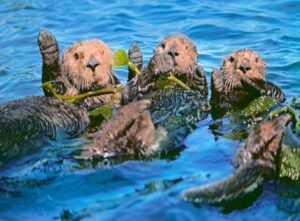
Baby otters would become adult otters that would be significant in ensuring ecological stability. To give an example, with the aid of sea otters, the number of sea urchins is reduced, and the kelp forests which absorb CO₂ and sustain marine life are preserved.
Each baby otter that lives would contribute to the wellbeing of the water ecosystems all over the world.
Threats to Baby Otters
Pity me, baby otters are exposed to a number of threats:
- Habitat loss
- Pollution
- Oil spills
- Predators (eagles, sharks, coyotes).
- Illegal pet trade
Conservation entails setting up conservation and rescue efforts to save these endangered pups by restoring their habitat.
Can Baby Otters Be Pets? (Important)
Baby otters though adorable must not be kept as pets.
Reasons include:
- Illegal in most countries
- Very social and require complicated environments.
- Plays at being violent when stressed.
- Require constant care
- Is able to starve and be depressed when a prisoner.
The responsible treatment of the otters should be left to the Wildlife rescue centers and conservation practitioners.
Amazing Baby Otter Facts
- Baby otters can not sink weeks because of their super dense fur.
- Pups remain with their mothers up to a period of twelve months.
- They start swimming at the age of 6 weeks.
- An infant otter has more than thirteen sounds.
- The sea otter pups lie on the belly of a mother like a floating cradle.
FAQ
- What do baby otters eat?
Otter babies feed on the milk of their mother over a period of 6 -8 weeks until they begin feeding on fish and small aquatic animals.
- Will the babies be able to swim immediately after being born?
No. Sea otters naturally learn how to move on the water, yet sea and river otter pups should be trained to know how to swim.
- What is the duration of time baby otters remain with their mom?
Depending on the species they remain between 6 months to 1 year.
- Are baby otters endangered?
There are those species such as the sea otter which are threatened. There are conservation activities that are being done to save pups and their habitat.
- Why are baby otters so fluffy?
Their fur is also one of the thickest in the world and as such, keeps them warm and floats on water.
Conclusion
Baby otters are not only cute but also smart, social and play a critical role in the well-being of aquatic ecosystems. Since their youth, as they bloated on the chest of their mother, till they can swim and hunt, all the steps of the development of a baby otter can be seen as a testimony to strength and beauty. With the increased conservation, the survival of otters around the world will be guaranteed by the protection of these spectacular pups.
Also read- Best 4 Baby pigeon feeding and more

