

wilbur shelter dog adoption return, he is often bounced back after adoption because of his behavior, misfits, or challenges to his owner.


The Reason why Shelter Dogs are returned after adoption -What you need to know.
Knowledge of Adoption Return Phenomenon.
Adopting a shelter dog is usually presented as a heart-warming thing to do – a second chance of the needy dog. However, in most occasions, the adopted dogs revert to the shelter. This is also known as shelter dog adoption return and is the placing of an adopted dog back into the shelter or rescue by the person who adopted the dog. This is, unfortunately, not as singular as it should be.
Wilbur was an example, having been adopted after being found and rescued, but was brought back later when he failed to get along with the rest of the dogs in the family. He was back under rescue care after several unsuccessful home placements.
The most well-meaning intentions end up becoming disappointing as many adopters end up knowing that the commitment, cost, behavior, or lifestyle change is bigger than expected.
How Big Is the Problem? Statistical Results in Shelter Dog Returns.
- According to studies, an approximation of 7 to 20 percent of all the pets adopted through shelters are sent back within the first 6 months.
- Specifically to the dogs, the yield is high. In a massive study, nearly a quarter of adopted dogs were returned within 3 months of adoption.
- Research further indicates that adult and young adult dogs (6 months to 8 years) have higher chances of being returned as compared to puppies or old dogs.
These figures underscores the fact that although adoption provides hope, a big part of the shelter animals go through re-adoption processes.
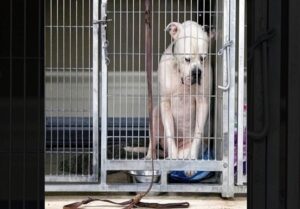

Why Dogs Like Wilbur Get Returned — Overriding Causes of Adoption Returns.
- Personality Mismatch and behavioral problems.
- Behavior issues — such as aggression, fear, fear of separation, destructive chewing or digging, etc. are some of the leading causes of adopters returning their dogs.
- The behaviors do not always appear in the environment where the dog is in the shelter, or adopters do not realize the extent of the required training and patience.
- Other Pets or Family members incompatibility.
- A dog will not be compatible with other pets (other dogs, cats) in the house. Meet-and-greets do not necessarily show the future problems.
- As in the case of Wilbur, although a rescue will be conducted with care, it may not always be revealed until the dog is home.
- Misunderstandings concerning Time and commitment, Owner Lifestyle.
- Most adopters underestimate the time, energy and money commitment to be sustained, that is, the daily walks, training and socialization.
- Adopters may be forced to give up pets due to busy schedules, housing changes or new limits (rent limits, moving, changing jobs, etc.).
- Unrealistic Expectations
- Some adopters believe that the dog will love and act right away and will not go through an adjustment period. Some give up the dog when the reality sinks in, stress, accidents, anxiety, etc.
- Shelters point to the high number of returns which occur in the first days or weeks – before the dog has time to get settled.
- Housing or Economic Pressure.
- Housing regulations (rentals do not allow pets, size/breed limits) or increased costs of keeping a pet may compel a dog owner to surrender.
- Health problems of the dog or its owner can also contribute to that.
Human Consequences of wilbur shelter dog adoption return and Animal Consequences of Adoption Returns.
When one is giving up a dog, it is not merely a paperwork affair, and emotionally and in terms of welfare it has its own repercussions:
- Stress for the dog. Shelter-to-home-to-shelter cycle may lead to the feeling of confusion, anxiety, and regression in dogs used to one stable life.
- Less willingness of adopting in future. Returners are less prone to adopt again in the future and those who returned dog because of behavioral problems or unrealistic expectations are less likely to adopt again.
- Low resources and housing overload. Returned dogs occupy the kennel space, incur medical treatment, rehabilitation and cut resources to provide new animals with their services.
Hence, it is not only the good action to do to dogs in order to make them less aggressive, but it is also a method to keep shelters sustainable and efficient.
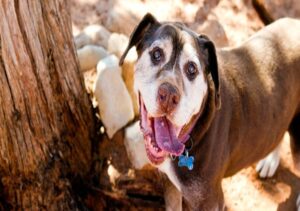

What happens after a return — consequences and how shelters can respond to it.
Studies indicate that the returns of dogs depend on the reasons as to why it was returned:
- Dogs which were returned because of reasons of the owner (e.g. housing, lifestyle) are more likely to get re-adopted than those which are returned because of behavioral problems.
- Aggressive, fearful, reactive dogs – behavior problem dogs are less likely to be adopted in the long run, and in certain shelters are euthanized when they do not find a new home.
- Some rescues and shelters make investments in post-adoption support: counseling, training, behavior interventions — which declines returns with time.
That is, the higher the number of successful returns, i.e. second-chance adoptions, the better the dog receives, in terms of behavioral support, and the better the adopters are prepared to adopt a dog, the more realistic is their preparation.
Lessons According to Wilbur Story — What It Teaches.
The example of Wilbur, a dog in a shelter, who was adopted several times and returned, brings out a number of pressing questions:
- It might be a good idea, but adoption can be ineffective, unless the matching is correct (family, other pets, lifestyle).
- Rapid rehoming and re-turn leads to emotional disorientation of the dog and exhaustion of shelters.
- Meet-and-greets, realistic expectations, post-adoption support, and patience: the role of responsible adoption.
This is a tragic story of Wilbur; however, it is not the only one, and with the knowledge, shelters and adopters will strive to reduce the number of failed adoptions and ensure more permanent and happy families.
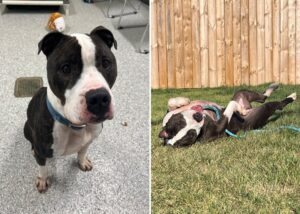

Reducing the risk before adopting a shelter dog – What Potential Adopters should know.
In case you are thinking of adopting a shelter dog, the following tips would help to increase the likelihood of success:
- Learn about the breed (or probably a breed mix) to be aware of the activity, grooming requirements, common behaviors and potential problems.
- Be realistic in terms of time, energy, space, and monetary spend of full-time dog care (walks, vet visits, training, etc.).
- In case you already have pets: do merits and greetings. Introduce slowly. Ensure compatibility.
- Look forward to behavioral adjustment periods. Provide your dog with at least several weeks or months getting used to his or her new home. Be prepared to be trained and assisted by professionals in case it is necessary.
- When they can, adopt out of shelters which provide a post-adoption counseling or training. Enquire about policies regarding returns, as well as support.
FAQ (Frequently Asked Questions).
Q: What is the level of bounced back of shelter dogs who have been adopted?
A: It has been estimated that approximately 7-20 percent of all adopted shelter pets can be returned in the first six months. In the case of dogs in particular, in one study close to 25% of the dogs that were adopted had to be returned in three months.
Q: What are the top most reasons, as to why a dog is returned after adoption?
A: The list of the leading causes is behavioral problems (aggression, anxiety, destructive behavior), its personality that does not fit in with the owner or other pets that are already in the home, unrealistic expectations of those people implementing an adoption, and lifestyle/housing limitations.
Q: Is it possible to avoid returns with shelters or adopters?
A: Yes. It can be prevented by realistic pre-adoption education, meet-and-greet, post-adoption training, behavioral assistance, and making sure that adopters know what they are committing themselves to.
Q: Are there a few dogs, which are returned, again adopted?
A: Yes – those dogs sent back because of owner-related reasons (not behavior). However, behaving or aggression problems commonly result in lower chances of re-adoption by dogs, and they can be euthanized in some instances when no good home is located.
Q: Does the adoption of a dog necessarily make the person who adopts the dog at fault?
A: Not necessarily. Most adopters will do their best but things go wrong: between the temperament of the dog and the family, between the expectations and the realities or due to lack of adjustment in the dog. In most instances, the right course of action is the one that is a refund, though difficult, particularly when the home can not accommodate the dog.
Conclusion
Adopting shelter-dogs is an extremely powerful gesture – it provides dogs with the second chance to exist. But the reality is complex. Studies and stories such as that of Wilbur illustrate that a good amount of the adopted dogs goes back to shelters.
The fundamentals of the causes, be it behavioral and compatibility problems or impractical expectations and lifestyle limitations are all critical in enhancing the success of the adoption. Knowledge, reality, and perseverance on the part of future adopters are able to drastically minimize the chances of returns.
And in shelters and rescues: provision of post adoption services, training and mentoring counseling may turn adoption into a stable, lasting home.
Also read- Best 7 dog shampoo