

Find excellent cooking oil. Get to know what types of oil to use, why it is good, how to cook the frying and sauteing process and all the cooking we do every day.

Cooking oil: Types, the advantages, uses and how to select the healthiest oil.
Cooking oil has been considered one among the widely used ingredients in any given kitchen, and the selection of appropriate cooking oil may prove to be unexpectedly complex. Having dozens of variations: olive and coconut, avocado and mustard oil, and each with its own nutrition benefits, smoke level, and cooking potential, it is critical to comprehend what the best cooking oil is both in terms of health and the dish being cooked.
Frying, sauté, baking, drizzling over salads, anything you can do with oil, the correct choice of oil can make it taste better, be healthier and even better at heart protection. This guide will be able to help you de-co-cook and decipher all the information you need to know about cooking oils, their benefits, and how to make the healthiest choice to include in your home.
What Is Cooking Oil?
Fats of plants, seeds, nuts, or fruits are known as cooking oil. They serve these oils in food preparation such as frying, baking, roasting, sautéing and seasoning. Common examples include:
- Vegetable oil
- Olive oil
- Coconut oil
- Sunflower oil
- Mustard oil
- Avocado oil
- Groundnut (peanut) oil
- Sesame oil
There are 2 big ways of producing oils:
- Refined Oil
To eliminate impurities these oils are subjected to bleaching, deodorizing and distillation.
Increased smoke point (deep frying).
Lower nutrients as a result of excessive processing.
- Cold-Pressed (Unrefined) Oil
Chemical free low temperature extraction.
Full of antioxidant, vitamins, and taste.
Reduced smoke having (perfect salads, easy cooking)
Cooking Oils types and their advantages.
The selection of oil is largely based on the health objectives, flavor and cooking technique.
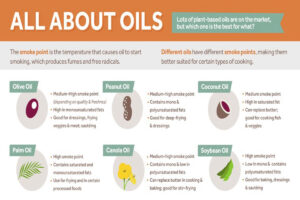
- Olive Oil
It is one of the healthy oils in the world that has monounsaturated fats and antioxidants.
Best: saute, baked, salad dress, etc.
Benefits:
- Supports heart health
- Reduces inflammation
- Helps manage weight
The most nutritious one is extra-virgin olive oil ( EVOO ).
- Sunflower Oil
Famous in Indian and global cuisine as it is non-flavored.
Best for: frying, deep frying
Benefits:
- High in vitamin E
- Beneficial to the heart condition (moderation)
- Coconut Oil
It is known due to creamy taste and medium-chain triglycerides (MCTs).
Best uses: Baking, roasting, frying of medium heat.
Benefits:
- Boosts metabolism
- Good for skin and hair
- Antimicrobial properties
Coconut oil is refined and its smoke point is higher than that of virgin coconut oil.
- Mustard Oil
A typical Asian dish that has a strong smell and flavor.
Yield: stir-fry, fry, pickles
Benefits:
- Rich in omega-3 fatty acids
- Supports digestion
- esterase-Positive and antibacterial.
- Avocado Oil
Turning into a trending option.
Best use: cooking of high temperature, frying, grilling.
Benefits:
- High smoke point
- Full of mono-saturated fat.
- Healthy to the cholesterol levels.
- Groundnut (Peanut) Oil
Dark brown and nutty taste and can withstand high temperatures.
Best on: deep frying, Asian foods.
Benefits:
- Rich in vitamin E
- Helps control cholesterol
- Sesame Oil
Available in two flavors light (cooking) and dark (flavoring).
Best with: Asian stir fries, marinades.
Benefits:
- They are rich in tremendous antioxidants.
- Supports bone health

What Is the Healthiest Oil to cook with?
Cooking oils do not have a perfect cooking oil, however the healthiest cooking oils based on the views of health experts are:
- Extra-virgin (best of all) olive oil.
- Large bottles of avocado oil (good in high heat cooking)
- cold-pressed mustard oil is valuable (high in Omega-3s).
- Coconut oil(good in metabolism)
It is important to note that various oils are required with various cooking requirements and not using only one.
Difference between Refined and Cold-Pressed: Which one to choose?
The Cold-Pressed Oils are healthier.
These conserve nutrients, antioxidants and natural flavors. Their smoke points are however lower and they are not the best when it comes to high temperature frying.
Frying with Oils is better with refined oils.
They are resistant to heat and can not decompose to produce harmful substances. Nevertheless, consumption in high amounts can be a contributor of inflammation.
Best practice:
Deep frying Use refined oils and salad, sautéing, and daily cooking Use cold-pressed oils.


Selecting the most appropriate Oil in various cooking techniques.
| Cooking Method | Best Oils | Why |
| Deep Frying | Sunflower, Peanut, Refined Coconut | High smoke points |
| Sautéing | Olive, Mustard, Avocado | Balanced heat resistance & flavor |
| Baking | Coconut, Olive, Sunflower | Stable at moderate heat |
| Salads/Dressings | Olive (EVOO), Sesame, Flaxseed | High nutrients & flavor |
| Grilling | Avocado, Mustard | High heat stability |
What Is The Recommended Amount of Cooking Oil to Use on a Daily Basis?
The nutritionists suggest that oil intake should not exceed:
2–3 teaspoons per day per adult
Excessive consumption of oil, of all kinds, can cause weight gain and heart complications.
Storing Cooking Oil – Tips on storing cooking oils to have the best of their shelf life.
- Bottles of oils should be kept in a dark and smooth bottle.
- Keep in a cool place in the absence of sunlight.
- Do not repeatedly heat oils to too much.
- Check for rancid smell or cloudy texture.
Proper storage enhances life span of the shelf and maintains the nutrients.


FAQs
- What is the most healthy cooking oil?
Extra-virgin olive oil and avocado oil are ranked as the best on the basis of monounsaturated fat and antioxidants.
- Is there a reuse of cooking oil after frying?
Yes, but only 2–3 times. The frequent heating process results in the production of toxic substances.
- Which one is better cold-pressed oil or refined oil?
Yes. Cold-pressed oils are natural nutrients, but cannot be used in high-heat deep frying.
- What is the best oil in losing weight?
Olive and coconut oils may be helpful on a moderate basis.
- Which type of oil is recommended to cook Indian?
Oils that are popular with Indian recipes are mustard oil, groundnut oil, and sunflower oil.
- What is the best way of knowing when cooking oil is bad?
Sticky and cloudy rancid oil is sour, bitter in taste.
Final Thoughts
Cooking oil is essential in nutrition, health, and taste. Knowing about the different types of cooking oils, their smoke points, and certain benefits, one can make smarter decisions about what to cook today and what to cook in the future to improve their health. To achieve the best health outcomes , medical practitioners suggest to use a blend of oils in day-to-day cooking with olive, high heat with avocado, and occasional baking with coconut oil.
Also read- Best 5- benefit of virgin and extra virgin olive oil