

Is your dog pooping blood? Find out how it causes, what the bloody stools are, and the things that can be done to treat it in the dogs.

Introduction
Any pet owner can be scared of seeing their dog pooping blood. Hematuria (blood in stool), to give it its medical name, is a symptom that may suggest various health complications, both minor and severe. The causes, symptoms and treatments of this disease are imperative to the well-being of your dog. This article will discuss all the information that you need to know about dog pooping blood such as when to visit the vet and how to avoid it.
Causes of Dog Pooping Blood
The possible factors that could lead to a dog to poop blood are various, both benign and illnesses that are severe:
- Dietary Issues
Blood in dog stool may at times occur due to abrupt changes in diet, allergies to food or consumption of spoilt or foreign food. Proper feeding is the only option that dogs with sensitive stomachs have, and thus they develop diarrhea with blood.
- Parasites
Hookworms, roundworms or giardia are intestinal parasites which may irritate the digestive tract of your dog and make the stool bloody. Puppies are also prone to parasitic infection.
- Infections
Bacterial, viral or fungal infection may cause gastrointestinal tract inflammation. Bloody diarrhea and vomiting may be present in such conditions like parvovirus or salmonella infection.
- Anal Gland Problems
When the anal glands of your dog are infected or affected, then the dog may have the appearance of blood in the stool. This is usually followed up by the scooting behavior or unease at the back.
- The inflammatory Bowel Disease (IBD)
Chronic inflammation of the intestines can cause intermittent blood in the stool. Dogs with IBD may also experience diarrhea, vomiting, and weight loss.
.
- Trauma or Injury
Sharp objects (bones, sticks, or toys) may harm the intestines and cause the blood in the stool accidentally.
- Tumors or Cancer
Colorectal tumors or cancers are not so common but they may cause the dog to poop up blood particularly in the old age. Depending on the area of bleeding, blood can either be dark or tarry.


Symptoms to Watch For
When you see blood in the stool of your dog that is a clear sign to go by but you may experience other signs too. You will need to take your dog to the vet immediately in case he exhibits:
- Chronic diarrhea/ constipation.
- Vomiting or lethargy
- Anorexia or nausea/ vomiting.
- Straining to defecate or pain during selfishness.
- Blood and mucus in stool.
The knowledge of such signs will assist in distinguishing between minor problems and crisis.
Diagnosis by a Veterinarian
A vet will normally give a detailed diagnosis attempt to establish the cause of a dog that poops blood. Such diagnostic methods may include:
- Fecal test: To test the parasites or bacterial infection.
- Blood tests: To be used to remove anaemia or the infection.
- On X-rays or ultrasound: in order to determine tumors, obstructions or injuries.
- Clear instructions to all new staff: It is important to remember to talk to your employer or a colonist physician in case of severe and persistent cases unless you are aware of the next step (endoscopy or colonoscopy).
The timely (early) diagnosis is very important to avoid complications and guarantee the successful treatment.

Treatment Options
The treatment of dog stool blood would rely on the causative agent:
- Dietary Management
Replacing the regular food with a dull diet of boiled chicken and rice or special dog food can calm down the digestive system of your dog.
- Medications
Depending on the diagnosis, antibiotics, antiparasitic, or anti-inflammatory drugs can be prescribed.
- Surgery
Surgery can be required where there are intestinal obstructions, severe trauma or tumors.
- Home Care
Excessive water, rest, and no scraps of the table or human food can contribute to recovery.
Prevention Tips
To use blood to prevent the diarrhea of dogs is a proactive work:
- Vet checkups and vaccination of pets on a regular basis.
- Maintaining a balanced diet
- Not taking in drastic food changes.
- Barring of your dog to spoiled or dangerous foods.
- Parasite and deworming that is regularly done.
- Heavy metal diarrhea monitoring.
When to See a Vet
puppies with blood should never be overlooked. Emerging emergency: It is essential to visit the veterinary center in case:
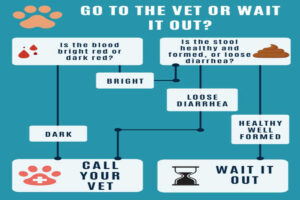
- The blood is bright red or contaminated with mucus.
- Dog is being sick, wary or refusing to cook.
- The duration of the condition is over 24 hours.
- You observe the extremity in terms of diarrhea or pain.
Early treatment will help you to rescue your dog.
FAQs
Q1: I see that it is not normal that the dog is bleeding through the stool.
A1: No blood in dog exposition is not usual and it normally signifies a health complication. One should always seek the services of a veterinarian.
Q2: What is the meaning of bright red goat in dog excrements?
A2: Bleeding in the lower intestines, rectum, or anus can be suggested by bright red blood, which could have been caused by trauma, infection, or problems with anal glands.
Q3: Is blood in dog herd obtained due to diet?
A3: In response to the question, Yes, the irritation and blood in stool may be the affecting result of sudden changes in the diet, allergies to food, or the ingestion of spoiled food.
Q4: What can I do to keep my dog out of trouble when he poops at home and the blood?
A4: In mild cases, a bland diet, hydration and rest may help the patient. Nevertheless, chronic or acute cases should be addressed in the veterinary.
Q5:Does the appearance of bloody stool use in dogs indicate the presence of the parasites?
A5: Absolutely. Hookworms, roundworms and giardia are common parasites that cause bloody stools and this is mostly common in puppies.
Conclusion
This is a great sign of blood in your dogs stool and you should not overlook it. Dog pooping blood may have various causes including a dietary problem, parasites, and infection, or more significant diseases such as cancer, and therefore this needs to be monitored and treated by a veterinarian. Through the identification of the symptoms, the identification of the causes, and prevention, you can contribute to keeping your dog happy and healthy.
Also read- Best 5 reason can dogs eat marshmallows