

Learn red rice benefit , its nutritional value and its comparison with white and brown rice. Discover the way to cook and include red rice in your daily meals to be healthier.
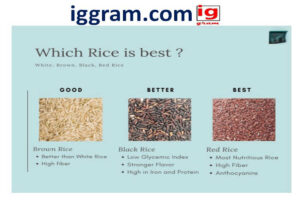

What Is Red Rice?
Red rice is a kind of whole grain rice which is characterized by its unique reddish-brown hue, nuts taste, and high nutritive value. The red color is attributed to the presence of anthocyanins, which are strong antioxidants as well as berries and purple cabbage.
Red rice in contrast to polished white rice has not lost its bran and germ contributing to it making high-fiber nutrient-rich grain which helps in heart health, digestion, and weight regulation.
Nutrition Facts of Red Rice.
Red rice is stocked with the necessary nutrients, which makes it one of the most healthy types of rice. There are 100 grams (cooked) of a single serving supplying:
| Nutrient | Amount |
| Calories | 110 kcal |
| Protein | 2.5 g |
| Fiber | 1.8 g |
| Iron | 5% of RDA |
| Magnesium | 10% of RDA |
| Antioxidants | High (anthocyanins) |
It also includes Vitamin B6, calcium, potassium and zinc that is essential in energy production, metabolism as well as immune strength.
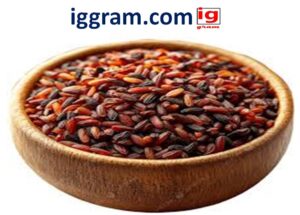

The 8 Healthy Reasons to Eat Red Rice.
- Rich in Antioxidants
The color of red rice is attributed to the presence of anthocyanins which are natural pigments that shield the body against free radical damages. These substances aid in the slowing of aging process, inhibition of inflammation, and heart facility.
- Supports Heart Health
Red rice is high in fiber and magnesium that are useful in lowering bad cholesterol (LDL) and enhancing blood circulation. Heart disease and stroke can be reduced through regular consumption.
- Aids in Weight Loss
Red rice is better than the white rice should you need to eat a healthier one. It is not high in calories and is very high in fiber content so that you can stay longer and avoid overeating.
- Improves Digestion
Red rice with high fibre promotes good digestive system by ensuring a smooth bowel movement and constipation is avoided. It is also nutritious food to good gut bacteria, which improves the absorption of nutrients.
- Manages Blood Sugar Domestically.
Red rice has low glycemic index (GI), which implies that it slowly releases glucose into the blood. This is beneficial in stabilizing blood sugar and hence is an ideal option among diabetics.
- Strengthens Bones
The presence of magnesium and calcium in red rice maintains bone density and avoids some diseases such as osteoporosis. It makes a great food supplement to a growing child and an older person.
- Boosts Energy Naturally
Red rice has sustained energy due to the complex carbohydrates as opposed to processed grains. It is ideal to use among sportspeople, fitness lovers, and others with an active lifestyle.
- Enhances Skin Health
The red rice is also good because of its antioxidant and mineral properties that aid in cleansing the blood and maintaining a radiating skin. It helps to decrease acne and slow aging when taken regularly.


Red Rice vs. White Rice vs. Brown Rice.
| Type | Fiber | Antioxidants | GI Index | Health Impact |
| White Rice | Low | Very Low | High | Quick energy, low nutrition |
| Brown Rice | Moderate | Medium | Moderate | Good fiber and nutrients |
| Red Rice | High | Very High | Low | Best for weight loss and heart health |
Verdict: Red rice of the three is the most nutritious and heart healthy. Its antioxidant profile makes it have a clear edge over the white and brown rice.
How to prepare Red Rice in the Best possible way.
It is quite easy to prepare red rice, but the red rice is slightly longer than white rice as it has a dense layer of bran.
Ingredients:
- 1 cup red rice
- 2.5 cups water
- Salt (optional)
Method:
- Wash the rice in water 2-3 times.
- Pour it and leave it to soak, 30 minutes (optional, to become a softer texture).
- In a pot, add rice and water. Bring to a boil.
- After the boiling, add less heat, cover, and simmer in 30 to 35 minutes.
- Held the grains, examined as to being tender or not, and the water being absorbed.
- Serve in hot with cake, lentils or vegetables.
Pro Tip: It can also be cooked in a pressure cooker or rice cooker so that it becomes convenient to prepare red rice.
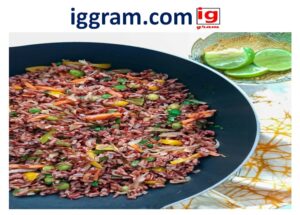

Yummy How to Incorporate Red Rice into Your Diet.
- Salad made of red rice, chickpea, cucumber and olive oil.
- Vegetable and spiced Red Rice Pulao.
- Red Rice Idli or Dosa Batter to get a South Indian flavor.
- Milk and honey Red Rice Porridge as a healthy breakfast.
- Sushi Rolls of Red rice to make a modern fusion meal.
Red rice should be included in your diet two or three times per week as it can do much good to your general health.
Red Rice benefit for Weight Loss
Among the best red rice advantages, it is possible to note that it helps to maintain the weight. Its low GI and richness in fiber makes it reduce the amount of appetite, manage craving and burn fat. It also does not leave the energy crashing after meals as compared to white rice.
To achieve maximum effectiveness, red rice should be combined with lean sources of protein (such as fish, eggs, or tofu) and vegetables that contain high amounts of fibers.
Red rice may result in the following side effects.
Red rice is also normally safe, however, it should be eaten in moderation:
- High fiber may make the person feel bloated or gassy.
- Individuals who have kidney problems need to see a doctor since red rice has potassium and magnesium.
- Always make sure it is cooked well in order to digest it.
Frequently Asked Questions (FAQs).
- Is red rice suitable to be taken daily?
Yes. The daily consumption of red rice should be in moderate amounts. It is a source of complex carbohydrates and fiber as well as essential nutrients to maintain balanced health.
- Can diabetics eat red rice?
Absolutely. The glycemic index of red rice is low and thus it controls the blood sugar levels, preventing sharp rises.
- Is red rice good in losing weight?
Yes. It is also rich in fiber which keeps one fuller longer and prevents unhealthy snacking which helps in weight loss which is natural.
- How does red rice taste?
The red rice is nutty, earthy and has a chewy consistency. It is good with curries, vegetables as well as lentils.
- How can you store the red rice?
Red rice should be put in an airtight container in a cool, dry location in order to avoid moisture and pests. When properly stored it can last up to 6 months.
Final Thoughts
Red rice is not only a food that has a different hue but it is also a superfood that is rich in fiber, antioxidants, and minerals. Red rice, whether it is a meal to lose weight, control diabetes, or even just eat better, is a smart and tasty decision.
One of the most natural and simple methods of making changes to your diet and health is to change your white rice to red rice.
Also read- Best 8- use of road trip mushroom gummies