
Learn how and why dogs have dreams, what to watch out for and how to make the best bedtime regimen to ensure happy, restorative dog sleep.

dogs have dreams–and much like human beings!
Here’s how we know:
- Sleep Stages: Dogs also undergo REM sleep (Rapid Eye Movement) which is the same sleep cycle human beings dream in. Their brain activity when they are in the REM is similar to that of a dreaming human being.
- Signs of Dreaming: You may observe your dog twitching, paddling, wagging its tail, whimpering or even softly barking, when asleep. Such are physical indications that they are playing out their dreams.
- Dream Content: They cannot be asked about it, but research has indicated that most likely the dogs dream about the activities they engage in on the daily basis like playing fetch, running, chasing squirrels, or their favorite human beings.
- Frequency: Puppies and older dogs more frequently dream than do adult dogs. Puppies consume new experiences every day, and the seniors might dream more frequently because of the changes in the sleep patterns.
Fun Fact: Small dogs (such as Chihuahuas) have more frequent dream bursts, but lesser, whereas large dogs (such as Great Danes) have less frequent and longer dreams.
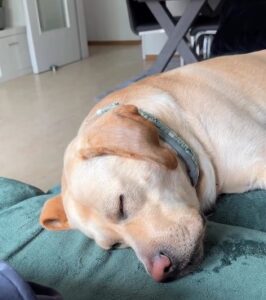
Signs Your Dog Is Dreaming
They normally occur within the REM sleep (when one is in dreams):
- Eye Movements: their closed eyes can move or dart very fast giving an impression that they are observing something.
- Body Motions: Sweet little paddling with the paws, tail wagging, flicking ears or small running movements.
- Sounds: Soft whimpers, barks, or small growls–they are usually in some sort of pattern, such as they are responding to something in the dream.
- Breathing: This makes them breathe in an irregular or faster manner than the slow steady rhythm of deep sleep.
Normal Sleep Twitching
Not all movement is dreaming:
- It occurs during non-REM sleep (deeper rest).
- The motions are short, sporadic jerks (as a single jerk) but not running motions.
- Breathing is normally slow and constant.
Tips for Dreaming Dogs
- Do not disturb them when they are asleep unless there is a reason to do it–dreaming is necessary to process memories and remain healthy.
- When your dog appears to be upset (e.g., crying a lot or throwing itself around), call them by name so that they are not scared.
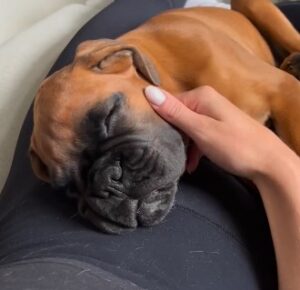
- Choose the Right Bed
- Support & Size: Select a bed that is big enough to allow your dog to be stretched out. Older dogs or large dogs should be placed on orthopedic memory-foam beds.
- Shape & Sides: Bedsteads make you feel safe; flatbeds belong to sprawlers.
- Washable Cover: Makes the bed clean and without a smell that can inhibit sleep.
- Regulate Temperature
- Cool Down in Warm Weather: The room must be well-ventilated or apply a cooling mat in case your dog is a hot dog.
- Warm in Cold Weather: Use a blanket that is much thicker or a bed raised up to preserve heat.
- Reduce Noise & Light
- Quiet Space: Select a low traffic place not near the doors, television or loud appliances.
- Soft Lighting: The darker the light or total darkness, the more the melatonin is activated to sleep deeper.
- Follow a regular schedule.
- Consistent Bedtime: Canines like routines; when they have an established sleep/wake timetable, this allows them to get a longer REM.
- Evening Calm: A brisk stroll or mild games one hour before going to bed is relaxing.
- Give Compassion and Homeliness.
- Your Smell: A T-shirt or blanket that is worn and smells like you can make you less anxious.
- Favorite Toy: One of the toys that can be used to offer reassurance is a soft plush toy or a chew.
Extra Tips
- Provide adequate daytime activities to your dog- a bored dog rests better.
- Provide light bedtime snack in case they are hungry at night (but no heavy meals just before going to bed).
- Have water close by so they can not wake up feeling thirsty.
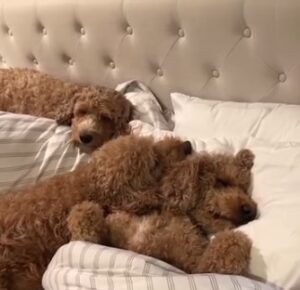
Dog Bedtime Checklist.
Evening Exercise (1 to 2 hrs before sleep)
- There should be a short walk or a light play to burn the energy.
- Do not play roughly just before going to sleep.
Potty Break
- Final visit to the bathroom to avoid waking up in the middle of the night.
Dinner & Water
- Eat dinner 2-3 hrs before sleep.
- Give a small bedtime snack, as needed.
- Ensure that there is a new bowl of water.
Calm-Down Time (30–60 min before bed)
- Dim lights, turn down TV/radio.
- Cuddling, brushing or light massage.
Comfort Check
- Fluff or straighten the bed.
- Add a favorite toy/ your old T-shirt to reassure.
- Regulate room temperature (avoid being too hot or too cold).
Consistent Cue
- Simple phrases such as Bedtime or good night should be used each night so that your dog can know when it is time.
Settle & Stay
- Guide them to their spot.
- Smooth compliments or a pat on the back after they are relaxed.
Reminder: Have a schedule that is approximately the same each night. Dogs enjoy routine- they allow them to go into the deep sleep of REM where they dream.
Recommendations: Assisting your Dog to Sleep and Dream Well.
Like human beings, dogs require quality sleep that is deep and sufficient in order to remain healthy, happy, and mentally intelligent. Studies indicate that dogs undergo REM (Rapid Eye Movement) sleep which is the sleep stage in which dreams are produced. During this stage, their brains make sense of memories, feelings and everyday life things- they learn to follow orders, recognize faces they know and even they dream of having fun stuff like running after balls or cuddling with you.
An organized bedtime schedule is very important in helping to nurture this natural cycle. Afternoon workouts are a good way to get the energy out, a last-minute trip to the potty will keep the wakefulness down, and a comfortable, dark bedroom will promote more and deeper sleep. Consistent cues (Bedtime, gentle pats) will also help to calm down your dog and let it know that it is time to get rest. They can be made to feel safe by giving them a familiar smell, such as a blanket or a shirt that smelled like you.
You can achieve this by balancing physical comfort (a comfortable bed, comfortable temperature) and emotional comfort (predictability, affection) in order to create the most favorable environment to sleep and have pleasant dreams. In the long run, this night time routine does not only make you healthier in the brain, but it also makes you bond with your dog because you provide him with safety and love.
To put it in a nutshell: an undisturbed, regular bedtime does not only mean that you get your dog to sleep, but rather that you give it the psychological and emotional sustenance that dreaming provides so that it wakes up renewed, joyful, and eager to spend another happy day with you.
Also read- Viral worthy truth dogs eating grass 4u


1 thought on “Dogs have dreams, calm down time 30 min.”