

Exposed in 3-steps what is DEI? Diversity, Equity, and Inclusion have been shortened as DEI. It is a model employed by organisations, institutions and communities that are interested in building more respectful and just environments that allow individuals of every kind to flourish. The following is the breakdown of what DEI is, why it is important, practical implementation and some of the challenges.

What Does DEI Mean?
- Diversity
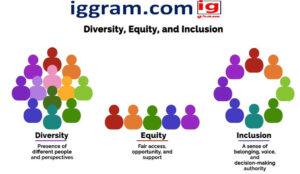
Diversity can be described as the existence of variations within a certain environment. Such differences may be both apparent and unapparent, and they comprise such factors as race, ethnicity, gender, age, religion, sexual orientation, disability, socioeconomic status, veteran status, neurodiversity, nationality, and lived experiences.
- Equity
Equity implies treating all individuals fairly, equally, and with opportunities and promotion, and trying to eradicate obstacles that have denied other groups full participation. Equity is more than equality: equality is about providing all people with equal resources whereas equity is about providing people with what they need to achieve similar results (since people are not beginning at the same point).
- Inclusion
Inclusion is the act of establishing spaces where every person is made to feel appreciated, honored, nourished, and esteemed, not just a guest, but also an active participant. It entails making sure that diversity is welcomed, listened to and that difference is not only accepted but also regarded as an asset.


Why DEI Matters
DEI is not a social virtue, but rather a social necessity:
- Fairness & Social Justice: There exist numerous groups of people who have been discriminated or marginalized in the past. The purpose of DEI is to eliminate structural imbalances and provide all with an actual opportunity.
- Better Decision-Making and Innovation: Diverse and inclusive teams tend to be more creative in idea generation since they present different points of views to solving problems.
- Employee Satisfaction and Retention: When employees feel noticed, respected, and part of things, morale will increase and this decreases turnover.
- Reputation & Competitiveness: Individuals (including both the employees and customers) are demanding organizations to be socially responsible and encompassing. Well-developed DEI practices are able to improve the brand image and assist in recruiting the best talents.
- Legal and Ethical Compliance: In most locations, the law and regulations mandate the fair treatment in employment, non-discrimination, reasonable accommodations, etc. DEI helps to address the requirements.
How DEI Works in Practice
Organizations apply DEI in the following ways:
- Hiring, Promotion and Recruitment Practices: Checking job descriptions to eliminate bias language, candidate diversification and open promotions.
- Data privacy Auditing and Data Analysis: Gathering the information on pay differences, representation, upward movement to understand how the inequities are present and whether they have increased.
- various training and awareness: activities such as implicit bias training, cultural competency training, and inclusive leadership training have been utilized (Jeffery, 2015).
- Inclusive Policies and Practices: Flexible work practices, disability accommodations, inclusive parental leave, mentorship /sponsor programs, making things accessible.
- Developing Culture of Belonging: Building spaces where individuals feel that they belong, are respected, and are able to be their entire selves at the workplace without having to fear being discriminated against or tokenized.

Challenges & Criticisms
Although a lot of people are in favor of DEI, challenges and criticism should be considered:
- Implementation Gaps: In some cases, organizations embrace DEI not in a real sense, but with respect to the real change of their structure. There may be policies, which are not implemented.
- Unintended Backlash: There is an attitude that DEI initiatives favor some unfairly or reverse discrimination. Polarized opinions and misunderstanding are threatened.
- Measuring Effectiveness: MEI efforts can be challenging to measure, and metrics can be too representative-based as opposed to inclusion, belonging, and retention.
- Legal / Political Necessities: There are legal restrictions or political disapproval of some forms of DEI programs in certain jurisdictions.
Key Terms & Related Acronyms
- D&I (Diversity & Inclusion): It is often employed in cases where equity is not utilized; some state that this term is missing a critical element.
- DEIB / EDI / DI&B: Other times the acronym is accompanied by a further component, Belonging or Justice, in order to underscore the inclusion and fairness further.


Examples & Case Studies
- An example of this is that a company may undertake an equity audit to find out the pay difference between employees of various races, or sex and rectify the salaries or other benefits to bridge this gap.
- The organizations can consider a mentorship program that targets the underrepresented groups to assist them in developing leadership.
- Introducing flexible work policies which are accommodative towards employees who have care giving duties as opposed to assuming that all employees are the same when it comes to their home situations.
FAQs
Q: Does that imply that it is about quotas that DEI sets?
A: Not necessarily. DEI is not merely one that binds to the attainment of numbers. There are those organizations that establish goals or targets as part of their strategy aiming at change in the system and equal opportunity.
Q: Is Diversity equity only concerning gender and race?
A: No. Although race and gender are usually at the core, DEI encompasses more aspects such as age, disability, socioeconomic status, sexual orientation, religion, and other aspects of difference.
Q: What do you consider to be the success in DEI?
A: It can be the representation during hiring and leadership, equity in pay, employee satisfaction and feeling of belonging, retention rates per group, bias complaints decreases, decision-making inclusion, etc.
Conclusion
Diversity, Equity, and Inclusion (DEI) is much more than a trend in the corporate world or a policy package this is an essential pledge to create fairer, more welcoming, and inventive spaces. Through comprehending and appreciating diversity, organizations and communities are able to be able to provide environments where everyone feels respected, encouraged, and empowered to give contribution of his or her perspective. Equity will make sure that there are no systemic barriers and everybody has a real chance to achieve success, and inclusion will create a culture of belonging where everyone has a voice and which is respected.
In the contemporary world that is more interconnected and socially aware, the adoption of DEI has become not only a necessity but also an ethical, innovative and sustainable guarantee of success.
Also read- Exposed when is black friday 2025?