

Simple 5-steps are guinea pigs good pets? Learn the reasons guinea pigs are great pets, their advantages and disadvantages, how to take good care of them and details.


Introduction
Are guinea pigs good pets? You might be asking yourself that question in case you are seeking a small, friendly and low-maintenance pet. The simple answer to this is yes – they are one of the most adorable small pets that you can classify within your house.
Guinea pigs (or cavies) are loving and social animals that feed and prosper on communication and love. However, just like any pet, they have to be treated, taken care of, and understood. This guide will tell you all about them – their personality and care requirements, advantages and disadvantages of their ownership.
The reason guinea pigs are good pets.
- They possess sweet characters.
Guinea pigs are considered to be very calm and loving. They are not very aggressive like hamsters or gerbils, and like human beings they like interacting. A large number of proprietors define their guinea pigs as docile, conversational, and with personality.
And when pleased they purr, When attention sought, Wheek; and popcorn, Which is a little leap of joy, When excited.
- They’re Social and Friendly
Guinea pigs like to be tied up with. They are most comfortable when found in pairs or small groups hence a good family that can maintain two or more of them. They are also very attached to their human caregivers and in most cases they identify voices and react to love.
- They are children friendly (supervised).
Guinea pigs are a great first pet to keep due to their docile behavior, which makes them great with children provided there is supervision by adults. Children can also be taught the lesson of being responsible by feeding them, washing them, and playing with them every day.
- They do not need so much space.
As much as guinea pigs require space to move around, they do not require a whole house or a yard. They are active and happy enough with a spacious cage with tunnels, hideouts, and toys.
- They Have Long Lives with petty ones.
Small rodents have a lifespan of 2-3 years, and guinea pigs have a lifespan of 5-8 years (with the right care). This causes them to be a long term friend and a promising member of the family.


Nightmares of having a Guinea Pig.
It is necessary to learn that guinea pigs do not have no needs prior to adopting them.
- They Need Daily Care
Guinea pigs should be fed on fresh vegetables, hay and pellets every day. Their cages ought to be cleaned frequently and they ought to have some time outside their cage to play and bond.
- They Can’t Live Alone
Guinea pigs are very social animals, and thus they can be lonely or depressed when kept alone. Ideally two guinea pigs (of the same sex to avoid breeding) would have been sufficient.
- They Need Vitamin C
Guinea pigs in contrast to most animals do not synthesize their own vitamin C. They will not be able to develop scurvy without it, as it is a severe illness. They need to consume fruits such as bell peppers, kales or vitamin C-enriched pellets.
- They Can Be Noisy at Times
There are many types of sounds which are used by guinea pigs in their communication: squeaks, chirps, purrs. Most people may consider it cute but some would find the chatter annoying particularly during the evening.
- They need to have their nails and hair done on a regular basis.
Grooming may be required to guinea pigs depending on the breed. Guinea pigs with long hair, such as Peruvian or Sheltie, should be brushed regularly to avoid getting tangles, whereas short haired ones are simpler to keep.
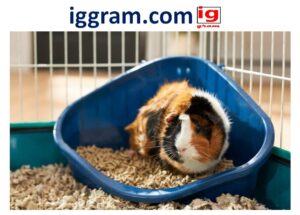

How to Care for a Guinea Pig?
- Ecofriendly Develop a Cozy Home.
Get an oversized cage (at least 7.5 square feet in one, 10.5+ two guinea pigs). Do not use wire flooring – it will affect their feet. Provide:
- portion of any bedding of paper, or fleece.
- Hiding spots (tunnels, igloos)
- Fresh water bottle
- Hay rack and food bowl
- Feed Them a Balanced Diet
The guinea pig diet can be healthy but it consists of:
- Hay: Timothy hay which should be unlimited and used to digest food and take care of teeth.
- Pellets: A Vitamin C-enriched guinea pig pellets.
- Fresh Veg: Carrots, romaine, lettuce, explosion mint cucumber, spinach, valley green pepper.
- Brands (infrequent): Apples, berries, oranges.
- Socialize and Handle Gently
Contact your guinea pigs on a daily basis. Speak in soft tones, feed them by hand and allow them to do as they please under parental supervision. They will fairly soon have confidence in you and love you too.
- Clean-Up Around These Schoolyards.
Wash cage at least 2-times per week and change dirty linen. Frequent cleaning will avoid smell and medical problems.
- Visit the Vet Annually
It is advisable to check up on your guinea pig to keep it healthy. Watch out such symptoms as lack of appetite, baldness or fatigue these are possible indicators of disease.
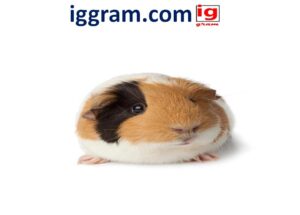

Good Pets in Apartments: Are Guinea Pigs?
Yes! Guinea pigs are a good pet in the apartments. They are small, clean and non-odorous. They are easy to live with, not to mention they are ideal in small places, you just need to ensure that they are exercised and taken care of on a daily basis.
Pros and Cons of Having a Guinea Pig.
| Pros | Cons |
| Gentle, friendly nature | Need daily care |
| Social and affectionate | Require companionship |
| Long lifespan | Sensitive to heat and cold |
| Great for families | Need regular cage cleaning |
| Relatively inexpensive | Require a balanced diet |
The best guide to a starter guinea pig.
- American guinea pig: Low maintenance, short haired and most friendly.
- Abyssian Guinea Pig: A rosetted fur playful and curious pig.
- Peruvian Guinea Pig: Lovely with long hair this needs a regular groom.
- From Guinea pig Teddy: Fuzzy hat and pacifist personality.
Frequently Asked Questions Guide to Guinea Pig ownership.
Q1. Are guinea pigs suitable pets among children?
Yes, guinea pigs are non-aggressive and hardly bite so they are safe with children with parents. They assist children in being responsible and understanding.
Q2. Do guinea pigs smell?
Not naturally. Odor will only be experienced when they are not cleaned frequently. They remain odor free with cleaning every week and good hygiene.
Q3. The question is, what are the rates of having a guinea pig?
The first set-up costs will be between $100-200 which includes cage, bedding and food materials. The average monthly expenses of care are approximately between $30 and $50.
Q4. How long do guinea pigs live?
When they are well taken care of, the guinea pig has a lifespan of 5-8 years (and as long as 10).
Q5. Can I keep just one guinea pig?
It’s not recommended. Guinea pigs are social and do well with an associate. The best pair is made of two of the same sex.
Q6. Are guinea pigs nocturnal?
No guinea pigs are crepuscular, that is, they are active in the early morning and evening, although they do have naps in the middle of the day.
Conclusion
So, are guinea pigs good pets? Definitely, they are loving, communicative, and simple to adore. These cute little things help to warm up and bring companionship in your life regardless of whether you live in a house or an apartment.
Having a healthy diet, a clean environment, and a small daily dose of love, your guinea pigs will be able to keep you happy with the unending squeaks, cuddles, and happiness long into the future.
Also read- Simple 5-steps Care for a Pibbles (pit bull)