

Viral worthy truth dogs eating grass : is a widespread and largely a normal behavior, which may be associated with different reasons. This behavior, which, in animals, is referred to as pica, has been witnessed both in domestic and wild dogs. The reason why dogs may eat grass can be explained in detail the following way:


- Nature and Primitive Behavior.
- Wild ancestors (wolves, foxes, coyotes) occasionally ate plants, either when they ate the stomach contents of herbivorous prey or grazed on them directly.
- Grass may contain tiny amounts of nutrients, fiber or be simply a replica of their wild diets.
- It can also assist in the intestinal cleansing as some animals eat roughage to move things through their digestive tract.
- Digestive Aid & Nausea
- One of the best-selling theories is that animals like dogs feed on grass in order to induce vomiting in case they are nauseated, bloated, or have an upset stomach.
- Blades of grass may tickle the stomach lining and the throat which can lead to vomiting, a way of relieving it.
- Out of the above, researches indicate that the majority of dogs do not vomit following the ingestion of grass- implying that nausea is not necessarily the predominant cause.
- Nutritional Deficiency
- There are experts who think that the dogs are possibly after fiber or certain micronutrients (such as minerals or chlorophyll) and those are not present in their diet.
- High-fiber grass may also be used, especially to relieve constipation, by retarding the bowel movements.
- Boredom or Anxiety
- There are risks of dogs left unattended or with insufficient mental/physical stimulation chewing away grass to:
- a) Relieve boredom
- b) Soothe stress or anxiety
- c) Get yourself into a repetitive self-distracting habit like biting nails in humans.
- Puppies, and young dogs in particular, can do this due to curiosity.
- Taste & Enjoyment
- Some dogs just enjoy the flavor or taste of grass.
- New, green spring grass may be sweet and nice, as a natural snack salad.


When to Be Concerned
There is generally no cause to worry about eating grass every now and again, yet it may be a problem when:
- Overgrazing takes place (this may be an indicator of gastrointestinal problems, parasites, or unbalanced diet).
- The grass may have been sprayed with pesticides, herbicides or fertilizers, which are toxic.
- Your dog is ailing: keeps on vomiting, has diarrhea, unrest or lack of appetite.
Harms of Eating Grass that may occur.
- Chemical Exposure
o The grass which has been treated with pesticides, herbicides, or fertilizers may be toxic.
- Gastrointestinal Issues
o High doses could lead to vomiting, diarrhea or constipation.
o Seldom, flashy pieces of grass may cause damage to the digestive tract.
- Parasites and Bacteria
o Grass can contain bacteria, parasites or fungi that can cause diseases to dogs.
- Behavioral Concerns
o Over eating grass may be a sign of stress, anxiety or deficiency in a nutrient.
o A vet should consider persistent or compulsive behavior.
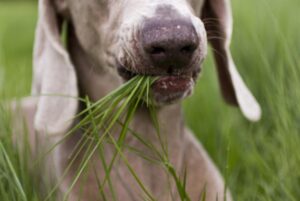

Tips for Pet Owners
- Feed on high-quality diet: Nutritious high-fiber dog food will lessen the desire to graze.
- Conventional vet checkups: Exclude stomach disorders, parasites or deficiencies in the case of frequent grass-eating.
- Enrichment and exercise: Play, walks and chew toys will decrease boredom-based grazing.
- Safe grazing: Open only to lawns that do not have pesticides.
Summary
There are many reasons why dogs eat grass, such as instincts and fiber requirements, boredom or just fun. Sporadic grazing is healthy and nothing to worry about, but when it is excessive or accompanied by some illness, it is advisable to take the veterinary checkup to eliminate other underlying health complications.
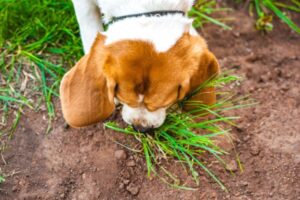

All breeds of dogs can consume grass, although studies indicate that some tendencies change depending on age, activity level and perhaps even breed characteristics. Here’s a detailed breakdown:
1.Dogs More Likely to Eat Grass
a) Young Dogs & Puppies
- Puppies are generally curious and investigate the world with the mouth.
- They can chew more often on grass in the course of exploration or teeting.
b) Active & Working Breeds
- High-energy dogs (such as Border Collies, Labradors or Huskies) might graze sometimes, either as a boredom activity when idle or as a fiber supplement.
c) Dogs that have Sensitive Stomachs.
- Digestive upset (e.g., German Shepherds, Beagles) may eat grass, perhaps to assuage slight stomach distress.
d) Severe Stress or High Anxiety Dogs.
- Stress-relief or displacement behavior Some nervous or anxious (such as Chihuahuas) or toy breeds will chew grass.
- Dogs Less Likely to Eat Grass
a) Older Dogs
- Senior dogs: old dogs tend to eat grass less frequently due to the reduction of the level of curiosity and activity.
b) Less Curious or Calm Breeds
- Some domestic or indoor breeds (such as Bulldogs, Basset Hounds) may not eat grass often since they are less adventurous or they are less likely to get bored.
c) Dogs on High-Fiber Diets
- Dogs that are already fed well in terms of fiber and nutrients in their diet might not be so motivated to graze.
Key Takeaways
- Grass-eating is not necessarily breed specific, and is mostly individual.
- Age, personality, health, and environment have a larger consideration than breed alone.
- It would be a better idea to see what your dog is used to, what he eats and how he gets stressed than to think about breed propensities.
studies show that they are more likely to eat soft, tender and easily digestible grasses. Here’s a detailed breakdown:
- Soft, Tender Grasses
- Young fresh spring grass is the one that is most commonly eaten.
- These grasses are less fibrous and soft and hence easier to chew and digest.
- Lawns & Common Garden Grasses
- Dogs will often browse on Kentucky bluegrass, fescue, Bermuda grass, or yew dog-friendly types of grass such as yarrow, ryegrass, or fescue.
- Such grasses are not bitter and they have a soft texture that dogs like.
- Wild or Weedy Plants
- King Charles may also chew some of the weeds or clover, particularly where they were found in grassy fields.
- Clover and other tender plants may be edible, and need not be without nutrients.
- Grasses to Avoid
- Tall, coarse or fibrous grasses are difficult to digest.
- Pest grass (pesticides, herbicides, fertilizers) is poisonous.
- Ornamental/flowering plants could be toxic when eaten.
Key Observations
- Dogs mostly like soft, easy to reach and safe grasses.
- Selection is affected more by feel and availability than species.
- Some dogs will graze more in fertile soft lawns than in wild or rough areas.
Also read- Proven pet hair harmful and why ? 4u