

what does a flea look like? Learn how to recognize fleas on pets and people, how they look, what they are like, the lifecycle, and tips of preventing them.

What Does a Flea Look Like? Total Guide to Flea Recognition.
Fleas are small insects which do not have wings and it is well known as pests to both humans and animals. Have you ever found your pet scratching repetitively or did you catch yourself having small bites on your skin, it may help you know what a flea looks like and how you can solve the problem within a short period of time. This paper will explore the deeper aspects of the appearance, traits, and detection of fleas.
Apartire Flea: Attire Guidelines.
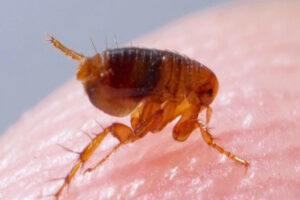
Fleas are very tiny and they cannot be easily spotted by naked eyes. They are on average 1.5 to 3.3 millimeters long. Fleas, no matter how big they are, have a number of outstanding characteristics that help to recognize them:
- Body Shape
The body part of fleas is laterally flattened i.e. sideways. This shape enables them to move easily in fur of animals or fabrics. Their bodies are dense and smooth and this makes them not to be crushed.
- Color
The color of the fleas is usually reddish-brown, and may be darker or lighter, according to the time when they last fed. The ingested blood may make a fed flea look darker.
- Legs
The long powerful hind legs of the fleas is one of the most unique characteristics of this insect. These legs enable them to jump very good distances of up to 7 inches upwards and 13 inches horizontally considering their small size.
- Head and Mouthparts
The heads of fleas are small and the mouth parts are specialized in piercing the skin and sucking blood. They have mouth parts that cannot be seen so easily but which are very effective in feeding.
- Antennae
Fleas have short-looking antenna that is usually fit in grooves on their heads. These antennae assist them to feel the surrounding and identify hosts.

Different Types of Fleas
Not all fleas are identical. The appearance of some of them may vary slightly, depending on the species:
- Cat Fleas (Ctenocephalides felis) –The most widespread in the world; they are reddish-brown and small and flattened. They inhabit mostly cats but can bite human beings.
- Dog Fleas (Ctenocephalides canis) –Like the cat fleas, but even smaller. Found mostly on dogs.
- Human Fleas (Pulex irritans) – This is not as common as cat or dog fleas, and is larger and has the capability to bite human beings quite often.
- Oriental Rat Fleas (Xenopsylla cheopis) – Dark brown and slightly long; it is reputed to be the carrier of such diseases as the plague.
Knowledge of the exact type of flea can assist in the process of choosing the appropriate methods of flea control to be used in your pets or house.
How to Identify Fleas on Pets
The widespread carriers of fleas are pets. The following are some of the ways of detecting fleas:
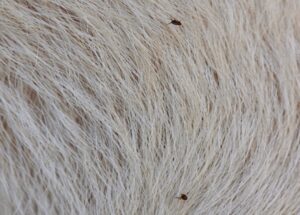
- Check for Flea Dirt
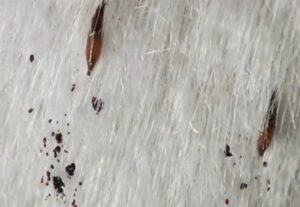
Flea dirt appears in form of small black spots on the furs of your pet. When moist, it can become reddish-brown which means digested blood.
- Too much Scratching on or Biting.
Pets that are infiltrated by fleas tend to scratch, bite or lick themselves more than usual.
- Flea Eggs
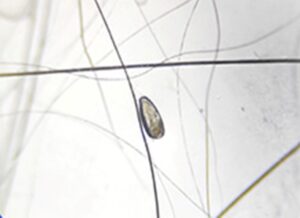
White eggs which are small in size can be embedded in bedding or fur of pets. These are 0.5 mm oval-shaped and long.
- Use a Flea Comb
A flea picker well equipped with a fine toothed flea comb can capture the fleas and flea dirt. Brush your pet and his hair, specifically his neck, tail and belly.

Human Flea bites: What to watch.
Humans can be bitten by fleas with itchy red bumps which mostly occur around the ankles and legs. The following are symptoms that could trigger the fact that there are fleas in your house;
- Itchy Cluster or line bites in red, small, itchioectatic mouths.
- Streaks of reddish-brown grotesque soil (flea dirt) of either the parchment or bedclothes.
- Seeable small leaping things on the pets or carpets.
Changes of Appearance and Stages of the Flea Lifecycle.
The lifecycle of a flea should be understood in order to identify and exterminate it appropriately:
- Egg Stage- Small, oval-shaped eggs that are white in color.
- Larva Stage – Worm-like, whitish larvae that avoid light.
- Pupa Stage- the stage in which the cocoon of the fleas is formed into adults.
- Adult Stage –Complete, reddish-brown, wingless insects, able to jump and bite.
Most people notice and associate infestations to the adult flea.
Advice on how to detect Fleas at Home.
- Bedding users and carpets Check.
- Search in any rugs, furniture and pet areas any small moving insects.
- With a flash light, identify the fleas in the darker places.
- Clean pet bedding and clean your house as well in order to reduce the number of fleas.
Flea vs. Other Small Insects
Occasionally, the fleas are confused with other insects. Here’s how to tell them apart:
| Feature | Flea | Bedbug | Lice |
| Size | 1.5–3.3 mm | 4–5 mm | 2–4 mm |
| Body Shape | Flattened side-to-side | Oval and flat | Elongated |
| Jumping Ability | Can jump several inches | Cannot jump | Cannot jump |
| Host Preference | Pets and humans | Humans | Humans |

Areas To Control the Flea Infestations.
It is one thing to know what a flea is like. Prevention is key:
- Frequently treat pets with recommended elude the use of flea preventatives by the vet.
- Furnishing and vacuum carpets often.
- Bedding of pets to be washed in hot water once per week.
- Seal up cracks in floors or walls which are the possible dwelling places of the fleas.
Frequently Asked Questions (FAQs).
Q1: What the spots I can see fleas with naked eye?
The adult fleas are visible yes but very tiny with a length of 1.533 mm on average. This makes them stand out, as they are reddish-brown and they can jump.
Q2: How fast do fleas reproduce?
Fleas reproduce quickly. A female flea is able to lay up to 50 eggs in one day and all fall to the environment causing infestations in a very short time.
Q3: Do fleas only bite animals?
No, it is not only dogs that get bitten by fleas, people can also get them resulting in itchy red spots, particularly on areas around the ankles, legs and waist.
Q4: What can I do to eliminate fleas without using any instruments?
Vacuuming, cleaning of pet bedding, diatomaceous earth, and some essential oils (such as lavender) also can be used in reducing fleas. One should never use a product that is not tested on pets.
Q5: How long do fleas live?
Depending on favourable conditions the adult lifecycle of the flea takes 2-3 weeks and the adult can live 2-3 months.
Conclusion
Knowledge on the appearance of a flea is important in infestation prevention and control of the problem in your home and pets. With the help of the identification of their appearance, life cycle and behavior, you can take proactive measures to ensure that your family and pets are not harmed by these unpleasant bloodsuckers. Bonding pet care, regular inspection and clean home are some of the most important in keeping the fleas at bay.
Also read- Best 6 steps what does poop look like with diverticulitis