
6 Simple steps to clean dogs ears, You can clean your dog ears at home, however it should be very delicate and safe so that you do not harm them.
-Key to know-
|
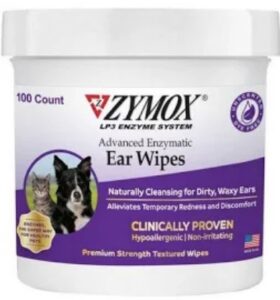
Here’s how you can do it:
How to Clean a Dog’s Ears
- Get supplies ready
a) Vet-approved dog ear cleaner (Who never uses alcohol, hydrogen peroxide or vinegar).
b) Cotton balls or gauze pads (it should not be a Q-tip as it may force debris further down or break the ear canal).
c) Towel (afterwards dogs shake their heads).
d) Treats for reward.
- Check the ears first
o Healthy ears are pink, clean and have no odor.
o When you notice redness, swelling, discharge (brown, yellow, or bloody), or smell foul, then leave it to your vet. It can be infection, mites or allergies.
- Apply the cleaner
a) Keep ear flap erect and insert ear cleaning solution to ear canal softly.
b) Do not put the bottom of the bottle on the ear (in order not to contaminate it).
c) Fill it well enough that it will flush, not too full that it will overflow.
- Massage the base of the ear
o Massage the ear canal gently in 20-30 seconds, you will normally hear a squishy sound as the solution loosens the ear wax and debris.
- Let your dog shake
o Step away and leave them shake their head–that will bring debris out.
- Wipe away debris
o Wipe the ear flap and the ear canal with cotton balls or gauze to wipe the visible ones.
o Always clean out what you can see–never put anything down deep into the ear.
- Repeat if needed
o Check the other ear, as necessary.
o Praise and reward afterwards!
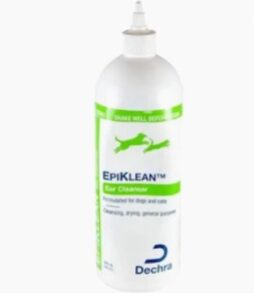
How often?
- The majority of dogs: one a month is sufficient.
- Floppy-eared dogs or allergen-sensitive dogs: can be required to be cleaned once a week.
- Only wash when necessary–excessive washing may be irritating.
Cleaning Off (First Time Cleaning) Step-by-Step.
- Preparation: Find a quiet place to sit your dog, prepare some treats, and hold the head of your dog.
- Ear check: Peep in the ear -if red, bad-smelling, and/or with a lot of dark discharge, then call off and call the vet.
- Apply cleaner: Lift ear flap, squeeze in canal till half-full of a cleaner approved by vet.
- Massage: Massage the bottom of the ear in circles about 20-30 seconds (you will hear it squish).
- Shake: Have your dog shake his or her head to clear up debris.
- Wipe: Clean the ear flap and opening of the canal (do not go deep into the canal) using a piece of gauze or cotton balls.
- Reward: Provide a reward and compliment. Repeat on the other ear.
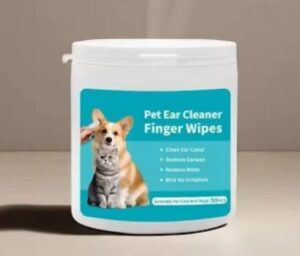
Maintenance by Type of Ear.
- Floppy ears (i.e. Cocker Spaniel, Basset Hound, Golden Retriever): check weekly, clean- 1-2 times a week or as required.
- Erect ears (e.g. German Shepherd, Husky): again, once a month is sufficient.
- Dogs with or without allergies to some things or swimming dogs (e.g., Labradors, Poodles): some of them may require bathing once a week after swimming.
Vet tip: Pus-like discharge, blood, constant head shaking, scratching or a strong odor may be normal but not to be cleaned, take to the vet.
What to Find in an Ear Cleaner of a Good Dog.
A good ear cleaner must usually:
When selecting an ear cleaner product to use on your dog, then make sure you get one that is safe and non-toxic. Find one that is pH balanced because the delicate skin in the ear canal will not be irritated. Ideally, it must not be alcoholic or include a small amount of alcohol which is safe and harmless as high levels of alcohol may sting, particularly when the ears of your dog are already inflamed moderately.
Antibacterial or antifungal agents, including chlorhexidine, salicylic acid, lactic acid or ketoconazole are also found in some cleaners. They are able to assist dogs that experience frequent ear infections although they generally require prescription by your vet. The cleaner may also include a drying agent, as too much water in the ear canal provides the optimal environment in which yeast and bacteria can thrive.
Lastly, ensure that the product does not contain any harsh detergents or high essential oils concentrations. Whereas certain natural ingredients may be relaxing, excessively powerful oils, such as undiluted tea tree may lead to irritation of the skin or other responses.
In brief, the most appropriate ear cleaner is soft, harmless, and suitable to the needs of your dog, in case it is susceptible to allergies or infections.
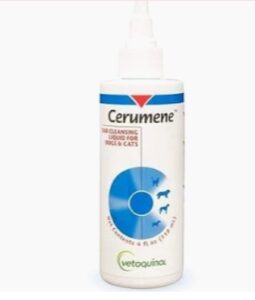
How to Safely Test a New Cleaner.
- Test on a plain space first – put it on outer ear skin and observe whether any irritation is caused.
- Take orders to the letter- quantity to put in, time to leave it, frequency.
- 3. Stop use and visit a vet in case of redness, swelling, smell, discharge increase or your dog appears to be in pain.
- Cleaner should only be used when ears appear reasonably well – ears that are grossly inflamed or suspected of being infected, should first be treated by a veterinarian.
- Wash following the swimming or bathing- this is aimed at eliminating moisture in the ear.
Conclusion
Ear cleanliness of your dog is also a fundamental aspect of the general health and comfort of your dog. The most effective ear cleaners are soft, pH balanced and designed to clear out the earwax and debris as well as moisture without irritating the ear. Although antibacterial or antifungal contains can help dogs that develop infections, they must be prescribed by the veterinary. Never use harsh chemicals or hard liquor, unsafe essential oils. You can prevent infections, discomfort, and maintain the health of your dog ears by selecting the appropriate cleaner and using a regular and methodical cleaning routine.


1 thought on “6 Simple steps to clean dogs ears”