

Act now by israel targets hamas for 7oct revenge. The attack by the Israel forces on the Hamas leaders in Qatar is dramatic, and a new step in the Gaza conflict. Hear on Khalil al-Hayya, regional response and how the weak ceasefire negotiations have been influenced.
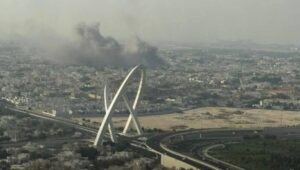

The alleged strike on the leadership of Hamas in Qatar by Israel:
What Happened:
- Operation in Doha, Qatar (September 9, 2025): Israel has targeted airstriked a Hamas meeting to discuss a U.S.-offered ceasefire plan. The strike provoked the visible explosions and black smoke over the skyline of Doha. It reportedly was an accuracy shot in the bargaining process.
- This was the first time that Israel has made such an attack into Qatar, one of the mediators of the war in Gaza. Other regional powers such as the UN criticized the strike condemning it as an act of sovereignty.
- The Foreign Ministry of Qatar came out with a resounding statement that the strike was a violation of international law and increased diplomatic and regional tension.
Who was targeted and reported outcome:
- One high-profile target was Khalil al-Hayya, a Hamas senior who has since been a key Hamas participant following the assassination of Ismail Haniyeh and Yahya Sinwar, he was reportedly targeted in his role as a chief negotiator. He is supposed to have survived the blow.
- Other senior Hamas leaders who might have been targeted could have been Zaher Jabarin (in charge of West Bank operations), Muhammad Ismail Darwish (the Shura Council head) and Khaled Mashal (the former leader, now international branch head).
- Hamas sources reported that their ceasefire negotiation team at Doha is alive after the attack.
Strategic Significance:
- The strike destabilized current ceasefire negotiations at Doha and threatened to destabilize U.S. and regional partners-led negotiations.
- It is a theatrical escalation that breaks a safe haven long-standing and enlarges the geographical palette of the confrontation outside of Gaza.
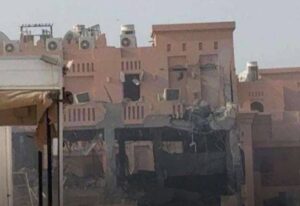

people involved and regional responses to IsraelHamas strike in Doha, Qatar:
Individuals Involved
Khalil al-Hayya
- Born in 1960 in Gaza, Khalil al-Hayya is a long-term senior Hamas figure, having had an extensive history as far as the establishment of the movement in the late 1980s. He also associated with the Muslim Brotherhood at the beginning of the 1980s.
- He was a Deputy Chairman of the Hamas Political Bureau and came out to be one of the main actors following the assassinations of Ismail Haniyeh and Yahya Sinwar. Towards the end of 2024, he joined a rotating team of leadership of the bureau.
- He has been involved in hostage negotiations and ceasefire talks of which he holds big positions which are known to be the face of Hamas in negotiations.
- Al-Hayya is perceived to be one of the main intermediaries with Iran, which contributed to restoring relations with Syria in 2022 and with which it has good relations with Tehran.
- The fact of his personal life is the violence of the conflict: he lost several members of his family, among them his son and other relatives, during the years in the Israeli airstrikes.
- Though at first it was reported that he had been killed in the recent Doha strike, he is also reported to have survived the attack.
Other Hamas Leaders Mentioned.
Al-Hayya is the most glaring but other names that tend to are more appropriate in such cases include:
- Zaher Jabarin –Linked to the West Bank activities.
- Muhammad Ismail Darwish
- Khaled Mashal –The former Hamas political leader who is currently the leader of the international wing of the group.
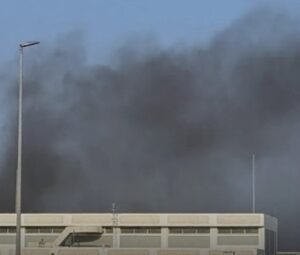

Regional and Global Response.
Qatar
- Accused the strike of flagrant disobedience to its sovereignty. Law enforcement described the act as a cowardly one and stressed that aggression cannot be left without any response.
United Nations
- UN Secretary-General António Guterres criticized the strike and pointed out that it was a violation of international law and a threat to peace.
Saudi Arabia
- The attack was described as brute force, and it was, together with the rest, warning of its destabilizing effect.
United Arab Emirates (UAE)
- Prevailed against the strike as cowardly, saying it was in support and solidarity with Qatar.
Turkey & Lebanon
- Both condemned the strike as an attack on peace diplomacy and an indication of unwillingness of Israel to negotiate peacefully.
Iran
- Declared the strike to be perilous and a second contravention of global standards.
Other Voices
- Pope Leo now threw a moral condemnation of the strike.
- Egypt referred to it as unacceptable and had a negative implication to the regional diplomacy.
- Iraq and the Houthis of Yemen, and the Arab League, blamed Israel–some citing U.S. complicity.
- UK denied that it knew about the operation in advance.
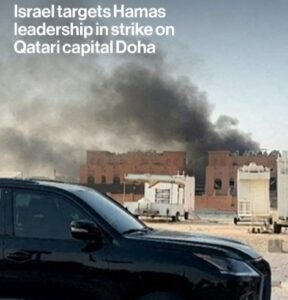

Conclusion
The precedent of Israel to strike Hamas leaders in Qatar without previous precedent is a turning point to the current Gaza war. By killing Khalil al-Hayya and other top officials in the context of ongoing ceasefire talks, Israel not only widened the battlefield outside of Gaza but also threatened to destroy delicate diplomatic talks. The significant opposition of Qatar, the UN, and powerful regional powers evidences the further polarization of the situation and the threat of the increased instability of the Middle East. Since Hamas leadership survived and the regional partners opposed the move by Israel, the episode highlights the instability of peace negotiations and the chances of the long-term conflict.
Also read- Secret Drone hit Gaza flotilla on sept-9