
Learn all about the fencing swords of CS, its history, and techniques, so as to identify the best foil, épée or sabre. Complete buying guide + FAQs.
What Is a Fencing Sword?
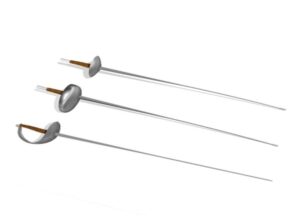
A fencing sword is a weapon that is lightweight and used in the contemporary Olympic event of fencing. Fencing swords are of three major types including foil, épée and sabre. The fencing sport is diverse and varied as each sword possesses specific features, regulations, maneuvers, and points.
The design of the fencing swords is such that they are flexible, accurate and safe. They are commonly crafted out of tempered steel and a recording tip is used to score points during professional games.
Types of Fencing Swords
The three fencing swords are a must-have in selecting the right weapon according to your taste and preferences.
- Foil – The Beginner-Friendly Fencing Sword.
The foil is the fencing sword used by the first time learner. It gives necessary footwork, posture and control of the blade.
Key Features
- Weight: 500g (lightest of all three)
- Target Area: Torso only
- Score: Point of the blade (thrusting weapon)
- Flexibility: high, eliminating the risk of injury.
Best For
Beginners
Students acquiring specificity and accuracy.
Foil rewards technique is considered more popular than power in schools and academies.
- Épée -The heaviest and most strategic sword.
The épée is a thrusting sword that is equivalent to the foil only that it is heavier and stiffer.
Key Features
- Weight: 750g
- Target Area: Entire body (patient to head)
- Scoring: Point of the blade
- Affection of the rights: In the field, first to touch, no affect.
Best For
Strategic fencers
Defensive play favors those who like to defend.
Due to the entire body as a target, épée fencing takes time and accuracy.
- Sabre The fastest fencing sword.
The sabre is the most aggressive and the fastest fencing sword.
Key Features
- Weight: 500g
- Target Area: Waist upward
- Scoring: Blade (thrusting and slashing) in entirety.
- Speed: Very fast matches
plasma based on beams traveling at a new speed towards the setup.
Best For
Fast, athletic fencers
Lover of such offensive methods.
Sabre fencing is a mixture of martial and swordwork, and it is exciting to watch and even engage in.
History of Fencing Swords
Fencing swords can be traced back to more than 500 years ago. Contemporary fencing developed out of the European dueling culture, in which the use of swords as self-defense and honor was practiced by noblemen.
Key Historical Points
- 16th century: Rapier came about dueling sword.
- 18th century: Foil was invented due to safer training.
- 19 th century: The epée was brought out as a contending duelling sword.
- Late 19 th century: Sabre grew out of cavalry sword methods.
- (1896): Fencing is made an Olympic sport.
The fencing swords nowadays are standardized by international bodies such as the FIE (Fédération Internationale d’Escrime).
How Are Fencing Swords Made?
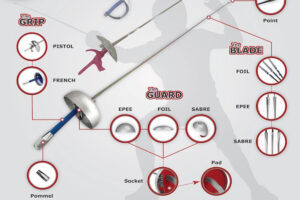
Fencing swords are made to be durable, flexible and safe. They typically include:
- Blade
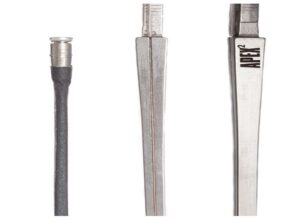
Fabricated of maraging steel, which is strong and flexible. Depending on the type of sword, the blades of the swords are either square or triangular.
- Guard
Metal shield which covers the hand is rounded.
- Grip
French, pistol and orthopedic available to regulate movement.
- Pommel
And balances the sword by weight to the handle.
- Electronic Tip
Applied in the contemporary fencing scoring.
The best fencing sword How to pick the right one.
The choice of the fencing sword depends on your level of expertise, the budget and also the style of the sword you wish to buy.
- Make a Choice According to Your field.
- Foil: Best for beginners
- Épée: Strategic players would use it best.
- Sabre: Recommended with the swifters of the offensive.
- Pick a Comfortable Grip
- French grip: Traditional and all-purpose.
- Pistol grip: Pronounces great control (desired in the competition)
- Blade Type
- Standard steel: Cheap and beginner friendly.
- Maraging steel: Enduring and competition-approved.
- Weight & Flexibility
Select a sword, which fits in your hand, one which is light, well balanced, it should be responsive.
- Consider Your Budget
Fencing swords vary in price depending on the kind, brand and material used:
Fencing Sword Price Range
- Foil: $50–$200
- Épée: $80–$250
- Sabre: $70–$220
Competitive, FIE approved swords are more expensive but they are durable and performance based.
The Fencing Techniques all the players ought to know.
You must learn to use any fencing sword and to that end you must learn to:
- En Garde Position
The fundamental position of defense and attack.
- Advance & Retreat
Core footwork for movement.
- Lunge
Main weapon of attack in order to reach out.
- Parry
Block in order to stop the opponent.
- Riposte
Majority of parries are retaliated upon instantly.
- Feints
False feigns to disorient or deceive the enemy.
The mastery of these techniques improves the speed, timing and the performance.

The Reasons why Fencing swords are a great investment.
This is because by having your own fencing sword, you are able to:
Improve technique
Practice regularly
Contend with increased tenacity.
Grip, weight, and balance Customization.
Being a beginner or a sportsman planning on a contest, a high-quality fencing sword will contribute greatly to performance.
FAQs
- What is the best fencing sword to a beginner?
The reason why the foil is regarded as the best beginners foil is that it is easy to carry around and it is good in acquiring the basic skills.
- How does foil differ with épée?
Foil is restricted to scoring the torso whereas épée is scored on the body and no right of way rule is used.
- Is sabre fencing dangerous?
No. Sabre fighting is safe yet very quick since blades are flexible, there are protective clothing, and rules are strictly adhered to.
- What are the prices of a fencing sword?
Fencing swords cost between 50 and 250 dollars as per the type and the brand.
- Swift-borne swords What of SWIFSTOMaterial.
The majority of the modern fencing swords are manufactured out of maraging steel which is strong and flexible.
Conclusion
Fencing sword is not just merely a piece of equipment, but the opening to a centuries old form of sport that is full of strategy, agility, and discipline. The foil is precise, the épée is strategic and the sabre is fast, all swords have their own experience. The knowledge of the types, features, history, and the ways of selecting a fencing sword will make you sure that you will have the best fencing sword to use in your training or competition.
Also read- Best 3- days in Trips to grand national


1 thought on “Best 3- fencing swords types”