
Find out what colors make green, the combination of different hues of green and how to paint green in an ideal manner, in regards to painting, design and art.
Introduction
Color Green is one of the most expansive and relaxing colors in art and design. No matter what you are painting (landscape), creating a website or a DIY project, it is necessary to be aware of what colors create green. In this guide, we shall be discussing the science of color mixing, color variations of green and some tips that are applicable in the achievement of the ideal green color.
What Colors Make Green?
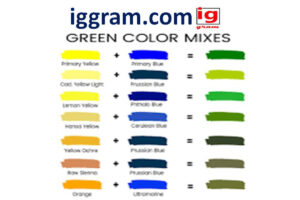
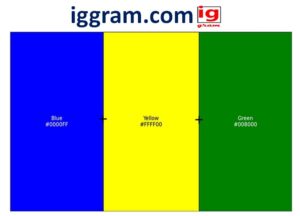
Green is essentially a secondary color, or in other words a combination of two primary colors. The colors include yellow, red and blue as primary colors.
To make green:
Mix Blue and Yellow:
Incidental colors are blue and yellow. When mixed in the same proportions they make a true green, and rich.
- Cooler green (teal, forest green) is more blue.
- Warmer green (lime, chartreuse) more yellow.
This is a simple rule that is applicable to any kind of paint you work with, acrylics, watercolor, and oils.
Different Shades of Green
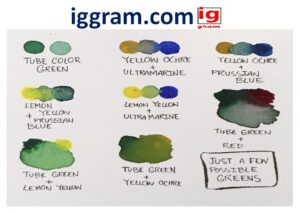
After knowing the base green, then you can combine several shades and tints with other colors:
- Light Green
Blend green and white to come up with pastel or mint green.
- Dark Green
Combine black with green to obtain a forest or hunter green.
- Olive Green
Combine green with some little red or brown to make earthy.
- Teal
Combine green and blue to make a cool deep teal colour.
- Lime Green
Combine green with additional yellow to make a bright and vivid lime.
How to Make Green With Paint?
It is easy to mix the colors to obtain green but with precision:
- Step 1: Gather Colors
You should have blue and yellow paint as background. Best primary blue and primary yellow are needed to obtain accurate results.
- Step 2: Mix Slowly
It is best to incorporate a little blue first and then add more yellow until you get the green that you want.
- Step 3: Adjust Tone
To lighten: add white.
Darkening: Add a dark-complimentary colour, or black.
To make warm it: add yellow, or a little red.
Pro Tip: Always paint on a palette rather than on your painting so that you are in control of shades.
How to Make Green With Other Mediums?
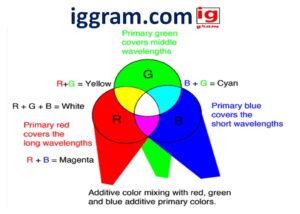
Digital Design: In the RGB color models (used to display screens), green is considered as one of the major colors. Red, green and blue values may be mixed to vary green.
- True green in RGB: R:0, G:255, B:0
- Fine-tuning: decreasing the G value or adding a point to R/B.
Mixing with Food Coloring:
- Combine blue and yellow food color to create green to be used in baking or other DIY projects. Brightness Right of desired shade.
Textiles & Crafts:
- In fabrics, combination dyes are made according to the same blue + yellow principle. Put to trial so that the final shade can be observed in a small patch.
Mistakes in production When Making Green.
- Come in and say one of the distasteful blows, Wrong Blue or yellow:
various blue and yellow hues can result in various green. As an example, a combination of ultramarine blue and cadmium yellow results in a green that is cooler, whereas a mix of phthalo blue and lemon yellow results in a green that is bright and vibrant.
- Overmixing:
Excessive addition of either of the following colors would result in a muddy color of green. Stir slowly to achieve maximum results.
- Ignoring Color Temperature:
Warm and cold colors influence the end-green. Yellow is warm, blue is cool. Adjust accordingly.
Fun Facts About Green
- Green is the color of the nature, of growth, harmony and freshness.
- Green printing is done by combining cyan with yellow rather than blue and yellow.
- Diverse cultures relate green to good fortune, prosperity and even finances.
Secrets to becoming Perfect Green Every Time.
- Brighter greens would require use of good pigments.
- The test of green on a white surface to identify the real color.
- Always have a green chart to make reference of when combining several shades.
- Play around with complementary colors in order to produce dull or natural greens.
Frequently Asked Questions (FAQ).
Q1: What two colors make green?
A: Green is a combination of yellow and blue which are the primary colors.
Q2: What is the combination of colors that will produce light green?
A: Add white to green in order to make the colors lighter (i.e. mint or pastel green).
Q3: Are you able to mix red and blue to come up with green?
A: Yes, but mixing of red and blue do not give green, but purple. A combination of only yellow and blue makes green.
Q4: How do I make dark green?
A: Add any black or darker and complementary color on top of your base green.
Q5: How does green make purperance?
A: Yellow will make green bright and this will create green colors such as lime green.
Q6: Is it possible that I paint without paint?
A: Yes, it is only possible to combine colored pencils or food coloring or dyes or even digital colors on the same principle of blue + yellow.
Conclusion
Being able to master the craft of making green creates a realm of creative options to artists, designers and DIY enthusiasts. Green is the secondary color, created by mixing the primary ones blue and yellow, at the base but the wizardry lies in the fact that you discover various shades, tints and tones. You may want to make it a bright and lively lime green, or a cool and serene mint or a rich forest green or a grounded olive, but whatever you do, with the knowledge of the science of mixes and color, you can get the exact result that you want each time.
Through trial and error, you will be able to make simple blue and yellow into a palette of beautiful greens that can make your artistic concept a reality.
Also read- Best 7- use of phthalo green

