
Read instantly 7-ways how to train pets , it can vary according to the kind of animal, the age of the animal and the kind of behaviors or skills you want to train the animal in, though the main principles are more or less the same with all dogs, cats, birds or even small animals.
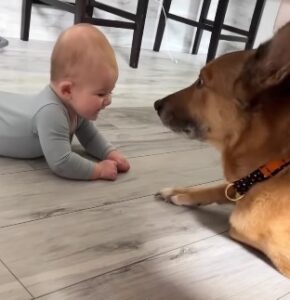
The following are some of the steps that you can take:
- Build Trust & Bond First
- Spend some time playing, patting and interacting with your pet peacefully.
- Speak in a soft tone so that they would feel that you are related to safety and positive emotions.
- Don’t push people, make them approach you.
- Use Positive Reinforcement
- Praise good behavior with treats and praise (Good job!), or favorite toy.
- It takes the form of ignoring or diverting unwanted behavior rather than punishing (punishment brings about fear and confusion).
- Store snacks in small healthy portions.
- Begin with the Simple Commands (with dogs and certain cats)
- Start with basic such commands as:
a) Sit – Have a treat over their nose and move it away till they are sitting.
b) Stay–Get them to sit and move slowly away. Reward if they remain still.
c) Come – Call them their name In a cheerful manner, Rewarded on coming.
- You should practice 5-10 minutes, 2-3 times a day so that you are not bored.
- Consistency is Key
- Same words to all the commands.
- Make everybody in the family do the same (e.g. no jumping, no scraps at the table).
- Train daily (as far as possible).
For Dogs
- Get a leash off on an early date (walks, easy lead).
- Play with other dogs and humans to avoid the fear or aggression.
- The housebreaking can be trained using crates.
For Cats
- Trick tricks such as sit, high five can be trained using clicker training or treats.
- Litter training: put them in the box when they are having meals or during play.
- Scratching posts (Not furniture).
For Birds
- Teach them, by treating, to sit upon your finger.
- Stringent sessions (5 minutes) per day.
- Speak to them frequently in case you would have them imitate words.
Small Pets (hamsters, rabbits, etc.).
- Treats can be used to make them go to you.
- Train some easy actions as stepping on your hand or litter box (in the case of rabbits).

Tips for Success
- Training in a free, distraction free space.
- Patience–improvement is slow.
- Close the end on an up note.
- Challenge them as they get better.
how to teach a dog to successfully train it, whether it is a playful puppy or an older one rescued.
- Build Trust First
- Take good time to play, walk and relax.
- Speak in a soft, approachable voice as this makes your dog feel secure and attached to you.
- Positive Reinforcement Radio.
- To reinforce good behavior: equal-time reinforcement Reward good behavior with small gifts or praise (Good boy/girl!), or toys.
- Do not admonish or hit bad behavior (punishment makes one afraid).
- Short, Frequent Sessions
- 5–10 minutes, 2–3 times a day is ideal.
- Practice in a noisy-free location.
- Always leave on a success to make the training interesting.
- Teach the Basics
- Start with the Sit command. Take a treat, and hold it a little bit in front of the nose of your dog, and then move it gradually backwards towards the top of the dog’s head. They have a natural way of lowering themselves on the ground in the rear, so when you say sit and give them the treat and praise they get it immediately.
- Then, when you can depend on your dog sitter wise, teach Stay. Get them to sit, and put an open palm, and say to them easily, Stay. Take a single step back. When the dog does not move, go back to him and reward. Gradually over time, lengthen the distance and the duration of stay prior to the administration of the treat.
- To Come, get down and call the name of your dog in a happy, beckoning voice with the word Come. At the time they come to you allow them to have praise and a treat so that they will think of coming to you whenever they are called upon with something good.
- In order to train Down, place your dog in a sitting posture. Take a kind of treat and hold it on the end of their noses and drop it gradually to the ground. As they go and lie down, say Down, then reward and much praise.
- Lastly, lesson Do it yourself to assist in self-control. Take something tasty and put it in your closed hand and allow your dog to smell it or paw it. As soon as they make an attempt to obtain the treat, you tell them to leave it, and give them a treat with your other hand.
- House Training
- Take out often (after getting up, meals, play).
- Compliment and compliment the moment they get into the right location.
- Maintain a regular feeding schedule in order to anticipate potty training.
- Leash Training
- Begin in an indoor or fenced location.
- Short leash–walk on–reward when they are with you.
- Pull them by stopping, and the other way round.
- Socialization
- Introduce your dog slowly to other people, pets and surroundings.
- Groups: Reward resistant behavior to make new experiences positive.
Pro Tips
The words and gestures should be the same.
divide large tasks into small steps–do not hurry.
Close the end on an uplifting note (play or a treat).
Be patient–it might have to be days or weeks, according to the dog.
Sample Daily Schedule, Puppy (8-16 weeks).
- The day of your puppy starts at about 6.30 am, when you wake them up and take them directly out for a urinal. Praise them each time they are in the right place so that they begin to associate outdoor potty time with praise and rewards.
- By 7:00 a.m., it’s breakfast time. Eat at the same place every morning to establish a routine. Following a meal, take five-ten minutes of brief training, exercising with some simple commands, such as sit, stay or come. Keep it upbeat and rewarding.
- Between 7.30-8.00 a.m have some play time or have a slight walk. Leash walking or indoor play is an early socialization activity and it expends the puppy energy.
- At approximately 9.30AM, give another toilet session, as the puppies require frequent walks.
- Lunch at noon, with a short drill afterwards–a good time to teach leave it or down, but to punish good etiquette at the table.
- At approximately 1.00 p.m. after lunch, it is time to take a long nap. Sleep is necessary as the puppies develop and acquire as they sleep.
- Wake them up to have a potty break and play at 3:00 p.m. An afternoon outburst can be achieved with a tug toy, a fetch toy or a safe chew toy.
- About 4:00 p. m. practice leash-hike or name recognition to teach yourself to venture out on more confident walks in future.
- Eat at 6:00 p.m.–regular mealtimes are useful in house-training.
- In the evening, 6:30 to 7:00 p.m., go out in the evening and have potty break. It is also a chance to do some mild socializing and healthy exposure to the external world.
- Lastly, between 9:00 p.m. and 10.00 p.m. take your puppy out to get one last potty break before sending them to bed. This last break makes it less likely to have accidents at night and preconditions peaceful sleep.
Sample Daily Schedule- Adult Dog (1 year+)
- It starts between 6:30 a.m. and 7:30 a.m. with a brisk 20-30 minutes walk or jog to stretch your dog out, burn some of their energy, and allow your dog to take their morning potty walk.
- At 7:00-7:30 a.m. after the walk, it is time to eat breakfast. You should feed your dog at the same place every morning so that you have a consistent routine and aid in good digestion.
- After breakfast is over, find 10-15 minutes to have a short training. Orders such as sit, stay, or heel are also effective at this stage, as it will keep your dog alert and interested until the time you go to work or run some errands.
- In case, have a mid day rest between 12:00 1:00 p.m. A speedy potty break and a little walk relieves your dog and gives him or her a stretch in the daytime.
- At 6:00 p.m. it is time to take an evening walk preferably a bit longer than in the morning. Take this time to learn to recite or fun tricks as you go around a park or a neighborhood route you know very well.
- Dinner is at about 6.30 p.m., and is done in the same place every day to ensure that mealtimes are predictable and without stress.
- Plan some play or enrichment activities between about 8:00 p.m. and 10:00 p.m. after dinner Tug-of-war, fetch, or puzzle toys make you dog’s life mentally and physically interesting.
- Lastly, at 9:00 p.m. take your dog out to have a last potty before going to bed. End the day with some quiet time together – light petting, quiet talk or simple rest together, then your dog rests the night away.
Also read- Dogs have dreams, calm down time 30 min.

