
RFK Jr. hearing: most tense hearing of 2025. The U.S. Health Secretary, Robert F. Kennedy Jr., is confronted by bipartisan criticism, calls to resign by medical groups, and employee dissent on vaccine policies, CDC shake-ups, and abortion drug comments.
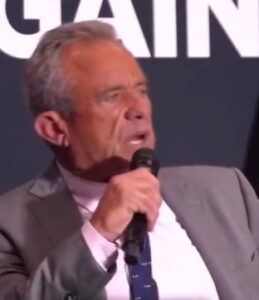
now the Secretary of U.S. Health and Human Services–has been making headlines today, as of September 5, 2025:
- Medical Groups insist on resignation.
Over 20 major health organizations such as the Infectious Diseases Society of America, and the American Public Health Association have gone on record to demand that Kennedy resign. They condemned him refusing to accept standard scientific practices, eliminating the use of vaccines in pregnant women and healthy children, dismissing the expert vaccine advisory panel at the CDC, and his recent firing of CDC Director Susan Monarez as harmful to the health of the population and creating mistrust in the CDC.
- Controversial Senate Committee Meeting-Vaccines on the Hot Seat.
RFK Jr. fiercely defended his controversial choices during a three-hour hearing before the Senate, such as reversing the vaccine guidance, and re-organizing the leadership of federal health departments. He came under intensive bipartisan criticism, with Democratic senators saying he was compromising vaccination confidence and was disseminating misinformation–and Republican senators also raising eyebrows at his changing stances on the COVID-19 vaccines. It is worth noting that he acknowledged that he would not necessarily wait until a scientific consensus is reached before the policy changes were implemented.
- Suggested Abortion Medication Restrictions.
In a highly controversial Senate Judiciary hearing, Kennedy suggested rescinding permission to use abortion pills including mifepristone on the argument that the Biden administration lied about their safety. He has quoted some non-peer reviewed research which stated that there were more complications, and this has been long discredited by experts. He also committed a factual error by connecting infant mortality increases to 2025 under Biden, when it is clear that the increases happened in 2022.
Other Noteworthy Coverage:
- Senate Hearing Brawls: Kennedy got roasted by both sides of the aisle, over vaccine policy mess and over the CDC blow-up. His model of leadership and decisions on matters of public health were being severely evaluated.
- Employee Backlash: Over 1,000 present and past HHS employees had already signed a letter requesting Kennedy to resign stating that his policies were very dangerous to people.
1) The Senate hearing, what was said and the important exchanges.
Context RFK Jr. testified to a Senate committee on September 4, 2025 when turmoil at HHS and the CDC was growing, including the abrupt firing of CDC Director Susan Monarez and the wholesale elimination of the vaccine advisory panel of the CDC. The hearing was about three hours long and became tense on several occasions.
- Key defenses used by Kennedy: He has consistently claimed that CDC and federal institutions in charge of public-health require significant reform, defended the decision to eliminate the vaccine advisory panel, and asserted that he has already made and will continue to make policy changes when there is no widespread scientific consensus, a claim that was met with strong opposition by senators wary of public-health risks. The most common line that is being reported: Kennedy confessed that he would not necessarily wait until there was a scientific consensus on the matter before he would take action on policy.
- Flashpoints:
o Senators prodded him over changing the advice on COVID-19 vaccines in children and pregnant individuals.
o He was head-on with senators, and with the testimony/claims of the recently dismissed CDC director (see next section). The Senate Finance Committee page along with transcript service have video and complete meeting materials.
2) Healthcare professional and medical organizational responses.
- Joint resignation call: Over 20 major medical/public-health societies (including the Infectious Diseases Society of America (IDSA) and the American Public Health Association (APHA)) released a joint statement urging RFK Jr. to resign, claiming that his actions are a disrespect to decades of life-saving science, and that his actions have damaged the credibility with which the CDC will manage the health of the population. That joint statement appears on IDSA/partner websites and is widely reported.
Specific complaints that specialists constantly mention:
o Disbanding or abolition of the CDC vaccine advisory committee (ACIP) in favor of members whose vaccine skepticism critics believe is a long-standing trait;
o Revoked previous vaccine advice against pregnant individuals and healthy children;
o High rate of staff turnover and reported political interference in the scientific decision making. Vaccination coverage and confidence are under threat, according to experts.
Also: Major organizations mentioned in coverage: IDSA, APHA, American Society for Microbiology (ASM), Doctors for America, CSPI and others have released statements or joined the joint call. There was a lot of language such as putting lives at risk or discrediting science, which was used by many organizations.

3) CDC Director Susan Monarez was fired, her allegations, and a rebuttal by RFK Jr.
- What happened: Susan Monarez became the confirmed director of CDC just several weeks prior and was fired within roughly a month of assuming the position; reports indicate she was in office less than two months (records state 29 days) before the removal. Her resignation led to a number of senior CDC resignations in protest and renewed pressure on accountability.
- Monarez stated in media/op-ed: She stated she was coerced to pre-approve vaccine recommendations and to conform CDC guidance to directives issued by the HHS political leadership -which she declined to do. She defended those assertions in public and claimed that she would reiterate them under oath.
- Kennedy reaction during the hearing: Kennedy told him that Monarez lied about the situation, and he was justified in doing so since the CDC needed to change and that critics were just protecting a broken system. That exchange was among the most controversial of the hearing.
4) HHS employee letter and inhouse backlash.
- Scale: Over 1,000 current and former employees of HHS (reporting variably phrases it as over 1,000 or more than 1,000) signed an open letter calling on Kennedy to resign or be ousted, claiming that his actions are a threat to the health of the people and a subversion of federal health institutions. This letter was sent to Kennedy, the White House and Congress.
- What they wanted: They wanted him to resign immediately or have congress or the administration step in and remove him; they wanted the science back at the CDC/HHS; they wanted transparency, staffing decisions, and policy decisions. There is coverage of the excerpts and context of who signed (current and former employees).
5) Wider implications – policy, near-term calendar and probable next steps.
- ACIP / vaccine advisory schedule: Reporters reported that the CDC vaccine advisory panel was disbanded and reformed, and that a reformed panel is scheduled to meet soon – those meetings may finalize official vaccine recommendations in the future. That is why the changes in personnel are not only symbolic.
- Political blowback: The bipartisanship issue during the hearing, as well as the medical organizations joint statement and staff letter, places an additional burden of action on the congress and the White House, which can result in subpoenaed documents, further hearings, or administrative action depending on the White House response. Coverage by Reuters and AP highlights the speed with which this was turning into a huge political/health story.
Conclusion
His name, Robert F. Kennedy Jr., is one that has caused a lot of controversy since he became a Secretary of U.S. Health and Human Services, as medical professionals, public-health organizations, legislators, and even federal employees have been opposed to his time in office.
His dismissal of CDC leadership, elimination of vaccine advisory committees, reversal of vaccine guidance, and controversial statements about abortion medication have brought into question the idea of the sidelining of science in policymaking.
Facing bipartisan censure in the Senate, 20-plus large health organizations pressuring Kennedy to resign, and his own administration questioning his leadership through the resignation of over 1,000 HHS workers, the leadership of Kennedy is under growing scrutiny. The next several weeks will show whether his reforms will transform federal health policy-or will shake the faith of the people in the health institutions of America.
Also read- Nancy Mace walks out of the meeting with a teary face

