Get what does poop look like with diverticulitis? the symptoms to be observed and when to consult a physician. A guide with etiology, alterations of stool.
Introduction
Diverticulitis is a painful gastrointestinal disease, which develops when there is an inflammation or infection of small pouches in the colon referred to as diverticula. The question that people ask most frequently is:
What do diverted patients look like when it comes to their poop?
Bowel movements may also alter at an early stage of an active flare and becoming aware of these alterations can assist you to get treatment sooner. This paper will describe the effects of diverticulitis on stool appearance, normal and problematic, and other symptoms to be aware of.
The influence of Diverticulitis on Bowel Movements.
In case of a flare-up of diverticulitis, the colon is inflamed thus interfering with its normal digestion. This irritation can lead to:
- Changes in stool shape
- Changes in stool color
- Constipation or diarrhea
- Pain during bowel movements
- Mucus in stool
Stool changes do not enough to diagnose diverticulitis but may be valuable suggestions.
Poop shaped the normal way with diverticulitis what does poop look like with diverticulitis?
These are the most typical stool features in the case of a diverticulitis exacerbation.
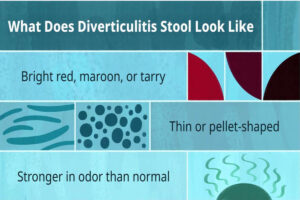
- Thin or (Narrow Stool) Pencil-like Stool.
Narrow or ribbon-like stools can be considered one of the most common changes.
Colon inflammation and swelling end up shrinking the inside space, which results in the poop being discharged in a slim state than normal.
This is among the commonly reported changes in the stool appearance of diverticulitis.
- Hard, Small Pellets (Constipation)
Constipation commonly causes the following in many patients with diverticulitis:
- Hard stools
- Small, dry pellets
- Difficulty passing stool
This is due to the fact that inflammation slows down the passage of bowels.
- Loose Stool or Mild Diarrhea
Whereas constipation is more prevalent, some people can have:
- Loose, mushy poop
- Increased urgency
- Small bowel movements which are frequent.
Diverticulitis is common in diarrhea in which there is a rapid increase in the rate of digestion due to infection or irritation.
- Mucus in the Stool
Diverticula can cause inflammation which leads to the secretion of mucus.
This may appear as:
- Jelly-like in stool which is clear or whitish.
- Poop is covered with a slippery coating.
Mucus is not harmful but it is an indication of irritation to the colon.
- Stool Color Changes
Although the change of color is not the most characteristic of the diverticulitis, it is observed by some individuals:
Lighter brown stool
A slowing of digestion is caused by inflammation.
Darker stool
In case of constipation and retention of the stool in the colon.
A change of color may not be particularly important except when the stool is black or has blood.
- Blood in the Sool (Uncommon but Song Russian is Serious)
Diverticulitis does not usually result in bleeding, but diverticular bleeding may take place.
You may see:
- Bright red blood on the toilet paper.
- Streaks of blood on the stool
- Bloody mucus
In case you observe black, tar-like stool, this can be an indication of increased bleeding in the intestines and should be taken to the doctor immediately.
Why Stool Changes During Diverticulitis.
Stool changes occur due to compromising reasons:
- The colon swells and gets inflamed.
- The digestive motion is decreased.
- The bowel wall is made sensitive.
- Bowel regularity is distorted by infection.
- Deterministic: There are the foods that make inflammation worse.
These alterations are not permanent and they normally get better through proper treatment.
Other Symptoms to Watch For
Although a flare can be determined by the appearance of the stool, diverticulitis is normally accompanied by other symptoms including:
- Lower left abdominal pain
- Fever or chills
- Bloating and gas
- Nausea
- Loss of appetite
- Pain which increases following a meal.
When you have these symptoms in combination with alteration of stools, it can mean that you have an active inflammation or an infection.
When a Bowel Movement Landing You in the Doctor Visit Table.
Medical assistance is needed in case of the following:
Days of constipation which is severe.
Particularly when there is pain in the abdomen.
Persistent diarrhea
Symbolized by fever or dehydration.
Blood in stool
Quick evaluation should be made of any rectal bleeding.
Black or tar-like stool
Potential indication of gastrointestinal bleeding.
Sudden worsening of pain
May is an indicator of complications such as abscess or perforation.
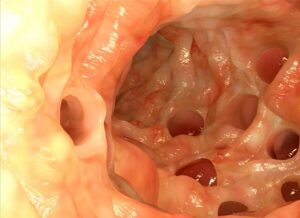
Increasing the Stool Appearance in Diverticulitis.
It is the recommendation of physicians in case of a flare, to:
- Clear-liquid diet (short-term)
Broth, gelatin, clear juices.
- Gradually altering the diet to a low-fiber one.
White rice, pasta, eggs, white bread.
- Then changing to high-fiber diet upon recovery.
Vegetables, fruits, whole grains.
- Drinking plenty of water
The hydration makes the stool smoother and less constipated.
- Avoiding trigger foods
Nuts, popcorn, seeds, spicy foods (when they exacerbate the symptoms in each particular person).
Specifically, when you get your diverticulitis, you must adhere to the given dietary guidelines by your doctor depending on its severity.
FAQs
- What is the most frequent change of the poop in the case of diverticulitis?
Narrow or thin stool is the most prevalent as a result of colon inflammation.
- Is constipation one of the possible consequences of diverticulitis?
Yes. Inflammation slows down the digestion process and may result in hard and small stool or problems with passing the stool.
- Is there a change in the color of the poop with diverticulitis?
Minor alterations can be experienced, though radical alterations in color are usually caused by food or hemorrhage.
A red color of blood or black stool is dangerous.
- Normal diarrhea when one has diverticulitis?
Yes. Whereas constipation is more prevalent, other individuals develop diarrhea during one of the flare.
- Is it possible that diverticulitis produces stool mucus?
Yes. The inflammation may cause clear or white mucus which usually covers the stool.
- What is the time to become concerned about the changes in stool?
Machine aids in emergency clinical care could include:
- Blood in stool
- Black, tar-like poop
- Severe abdominal pain
- Fever with bowel changes
- Leaves your poop always altered by diverticulitis?
Not always. Although some individuals experience normal bowel movements even in the case of a flare.
Final Thoughts
Learning about the appearance of poop in the case of diverticulitis will make you more familiar with the early symptoms and be able to treat the problem much earlier. Although stool may turn small, hard, watery, covered with mucus, or slightly discolored, the abdominal pain among other typical signs typically co-occurs. You should always keep an eye on your bowel movements and visit a healthcare provider in case of symptom aggravation or bleeding.
Also read- Best 5 step what does a cavity look like


1 thought on “Best 6 steps what does poop look like with diverticulitis”